

How to Evaluate Restaurant Allergy Practices Before You Dine
On this page
Quick answer
Evaluate a restaurant’s allergy practices by calling during a quiet period, naming the exact allergen and reaction risk, and asking how staff verify ingredients, prevent cross-contact, mark the order, and communicate with the kitchen. A confident answer is useful only when it describes a repeatable process. If staff are uncertain, dismissive, or unable to accommodate the risk, choose another restaurant rather than relying on a menu label alone.
Allergen cross-contact happens when an allergen is unintentionally transferred to another food through hands, utensils, cookware, fryers, grills, surfaces, storage, or airborne ingredients. It is different from intentionally adding an allergen to a recipe, and ordinary cooking does not reliably remove the danger.
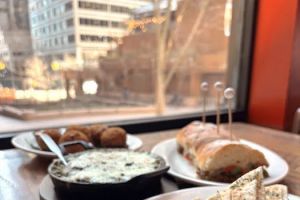
Continental Sports Lounge / continental bar nyc
New YorkNew York CountyNew York
82 Beaver St, New York, NY 10005, USA
What to check before you go
Start with the restaurant’s current menu and official contact information, but treat online menus and third-party listings as preliminary. Recipes, suppliers, garnishes, and kitchen procedures can change. Call the restaurant directly, ideally outside the lunch or dinner rush, and ask to speak with a manager or another person familiar with ingredient and kitchen procedures.
- State the specific allergen rather than saying only that you have “food sensitivities.”
- Explain that cross-contact matters if even a small amount can cause a reaction.
- Ask whether the restaurant can check current ingredient labels or recipe information.
- Ask which dishes are simplest to prepare with the fewest substitutions.
- Confirm whether the answer applies at the location and time you plan to visit.
A restaurant may decline an accommodation because its kitchen cannot manage the risk. That answer can be more trustworthy than an unsupported promise.
Questions to ask the restaurant
Use specific process questions. “Is this safe?” can encourage a yes-or-no response without revealing how the food is handled.
- How do you identify allergens in ingredients? Ask whether staff can consult labels, recipes, or supplier information instead of guessing.
- How is an allergy order marked? The server, manager, and kitchen should receive the same information.
- Can clean tools and a clean preparation area be used? A glove change alone does not address contaminated utensils, surfaces, or ingredients.
- Are fryers, grills, woks, or cooking water shared? Shared equipment can transfer allergens even when the recipe itself excludes them.
- Are garnishes, sauces, marinades, spice blends, and desserts checked? Hidden ingredients often appear outside the main component.
- Who will confirm the finished plate? A clear handoff helps prevent the wrong dish from reaching the table.
These questions are best for diners who need meaningful avoidance, not for testing staff or demanding a guarantee. Keep the conversation calm and concise so employees can focus on accurate information.
How to interpret menu claims
Terms such as “gluten-free,” “dairy-free,” “nut-free,” “vegan,” and “allergy-friendly” do not all mean the same thing, and their legal or operational meaning may vary. A vegan dish can still experience cross-contact with milk or egg; a dish without peanuts may contain tree nuts; and a gluten-free ingredient can be cooked in shared oil.
“Made without” generally describes intended ingredients, not necessarily the entire preparation environment. Ask what the restaurant means and how it manages shared equipment. Do not infer safety from cuisine type, a server’s confidence, or a symbol on an old menu.
When to choose a packaged item instead: if the restaurant cannot verify a complex recipe, a sealed product with an intact ingredient label may provide clearer information. It still must match the diner’s personal medical plan and current labeling.
A safer ordering checklist
- Tell the server about the allergy before ordering drinks, appetizers, or shared plates.
- Repeat the exact allergen and cross-contact concern; do not rely only on a reservation note.
- Choose a simple dish the kitchen has already identified as manageable.
- Avoid shared baskets, buffets, salad bars, dipping sauces, and family-style plates when cross-contact cannot be controlled.
- Ask the server to read back the allergy note and chosen dish.
- When the plate arrives, confirm that it is the allergy order before eating.
- Stop if the dish includes an unexpected sauce, garnish, bread, or substitution.
Dining companions can help by keeping shared utensils and plates separate. However, the diner should remain part of the conversation rather than delegating every detail to someone who may not know the complete medical plan.
When to choose another restaurant
Choose another option when staff minimize the allergy, promise that everything is safe without checking, cannot identify ingredients, confuse an allergy with a preference, or give conflicting answers. Also reconsider when a small or extremely busy kitchen uses the allergen widely and cannot separate storage, tools, or cooking equipment.
A restaurant is not automatically unsafe because it cannot accommodate one allergy. The practical question is whether its current team, menu, equipment, and workflow can manage the specific risk honestly and consistently.
Important limitations and emergency notes
This article provides general dining-planning guidance for the United States, not medical or legal advice and not a guarantee of an allergen-free meal. People with diagnosed food allergies should follow their clinician’s written emergency plan and carry prescribed medication as directed. Do not leave emergency medication in a hot or cold vehicle.
If symptoms of a serious allergic reaction occur, follow the individual emergency plan and use prescribed epinephrine promptly when indicated, then call 911. Do not wait for antihistamines, restaurant staff, or transportation by a friend to determine whether a severe reaction will worsen. Anyone uncertain about symptoms or medication use should obtain individualized instruction from a qualified clinician before dining out.
Sources and evidence notes
The guidance reflects broad food-allergy management principles: verify ingredients, communicate clearly, reduce cross-contact, recognize that shared equipment matters, and maintain an emergency plan. Restaurant practices vary by location, shift, supplier, and menu. Diners should use current information from the restaurant and individualized medical guidance rather than treating a directory listing or old review as proof of safety.
Frequently asked questions
Is it better to call or email a restaurant about allergies?
Calling allows follow-up questions and can reveal who understands the current kitchen process. Email creates a record but may be answered by someone away from the location. For significant risk, call ahead and confirm again with the on-duty team when you arrive.
Does an allergen menu guarantee a safe meal?
No. It can organize ingredient information, but recipes, suppliers, and cross-contact conditions may change. Confirm the current dish and preparation process with staff.
Are dedicated fryers important?
They can be important when the avoided allergen appears in foods cooked in shared oil. Ask what else goes into the fryer and whether procedures prevent mix-ups; the word “dedicated” still requires a clear explanation.
Should I use an allergy card?
A concise card can support verbal communication, especially when ingredients have several names or language is a barrier. Hand it directly to the appropriate staff member, discuss it aloud, and do not assume the card by itself confirms accommodation.
Can a restaurant refuse an allergy request?
A restaurant may say it cannot safely perform a requested modification. Requirements depend on the situation and applicable law, but from a dining-safety perspective an honest limitation is a reason to choose another option, not to pressure staff into an uncertain promise.
Next steps
Create a short list of candidate restaurants, call each during a quiet period, and record who answered and which procedures were described. Select the location with the clearest process for your specific allergen, confirm again at arrival, and keep the prescribed emergency plan accessible. If the answers change or feel uncertain, leave and choose a safer alternative.





 Bella Re's Pizza4.0 (371 reviews)
 Casa Maya4.0 (94 reviews)
 Balochistan Restaurant and Catering4.0 (345 reviews)
 Country Deli4.0 (92 reviews)
 Luo’s Burgers4.0 (142 reviews)
 Piece-A-Cake4.0 (795 reviews)
 Best Places for Happy Hour Near Me: Where to Find Great Deals on Drinks and Appetizers
 How Breakfast Restaurants Are Attracting Health-Conscious Customers with Innovative Dishes
 How Coffee Shops Are Offering Exclusive Seasonal Beverages That Attract New Customers
 How Ice Cream Shops Are Offering Limited Edition Flavors to Generate Buzz | Marketing Strategies
 Discovering French Restaurants That Emphasize Seasonal and Local Ingredients: A Culinary Journey
 Discovering Breakfast Restaurants That Feature International Fusion Dishes