
Restaurant Before a Show: A Timing and Booking Checklist
On this page
Quick answer
Plan a pre-show restaurant meal by working backward from the venue's recommended arrival time, not the performance start. Include travel, parking, security, ticket pickup and a delay buffer. Choose a restaurant with a current menu, predictable service format and easy payment, then tell it your hard departure time when booking and on arrival. Keep a nearby quick-service backup if seating or transit fails.
Work backward from your seat time
A pre-event dining plan is a schedule designed around a fixed venue entry deadline while allowing enough time to eat without rushing staff or guests.
- Check event start, door opening and recommended arrival time.
- Add ticket pickup, bag check, security and the walk to seats.
- Estimate travel from restaurant door to venue entrance, including crowd conditions.
- Add parking, rideshare drop-off or transit transfer time.
- Set a firm restaurant departure time.
- Allow a delay buffer before calculating the reservation time.
- Share the timeline with the whole group.
Best plan: finish early enough for an ordinary delay. Not ideal: a reservation ending at the event start or assuming a map's off-peak drive time.
Blind Tiger / blind tiger west village
New YorkNew York CountyNew York
281 Bleecker St, New York, NY 10014, USA
Choose a location by the full route
- Measure door-to-door walking distance, not neighbourhood name.
- Check hills, crossings, construction and accessibility.
- Confirm the restaurant and venue use the same parking area only when officially stated.
- Avoid moving the car twice if event parking fills early.
- Check transit frequency after the meal and after the event.
- Identify a weather-protected route where possible.
- Use the venue's official bag policy so restaurant purchases do not create an entry problem.
Match the service format to your schedule
- Counter service: can be predictable but queues may surge before events.
- Full service: offers seating and pacing; tell the server about the deadline immediately.
- Prix fixe: may be efficient when designed for event crowds, but confirm course timing.
- Shared plates: reduce separate ordering but can delay when dishes arrive in waves.
- Food hall: offers choice but coordinating vendors and seating takes time.
- Tasting menu: not ideal unless the restaurant guarantees a suitable duration.
Review the current menu for a few quickly prepared options, dietary needs and price. “Near the venue” does not guarantee fast service on a sold-out event night.
Make a useful reservation
- State the accurate party size, including children and mobility space.
- Give the hard departure time, not only the show start.
- Ask whether the kitchen can support that timeline.
- Confirm deposits, cancellation rules and complete-party seating policy.
- Ask about large-party menus, service charges and separate checks.
- Reconfirm hours and reservation close to the event date.
- Do not request a quiet or special table as a guarantee unless confirmed.
Keep the meal on schedule
- Arrive as a complete party or follow the stated seating rule.
- Tell the server the departure time before ordering drinks.
- Order the full meal promptly and ask which dishes fit the schedule.
- Avoid last-minute modifications that require clarification unless medically necessary.
- Request the check early and settle shared costs efficiently.
- Skip an extra course when the buffer is shrinking.
- Leave at the planned time even if the event appears delayed online unless the venue confirms otherwise.
Create a no-drama backup
- Save one nearby counter-service or takeout option with current hours.
- Know whether the venue sells food and what entry restrictions apply.
- Keep a simple shelf-stable snack when permitted and medically useful.
- Set a switch time: if not seated by then, use the backup.
- Do not cancel after the penalty deadline without understanding the fee.
- If the group is late, prioritize event entry over forcing a full meal.
Listing, allergy, and accessibility notes
Restaurant hours, menus, event traffic, venue policies and transit can change. Verify important facts on official restaurant, venue and transportation sources on the day of the event.
For food allergies, contact the restaurant directly and follow the guest's medical plan; speed does not replace safe communication. For accessibility, confirm the full route, entrance, restroom and seating needs rather than relying on photos.
Frequently asked questions
How early should dinner be before a show?
There is no universal interval. Work backward from recommended venue arrival using the restaurant's realistic meal duration and route buffer.
Should I tell the restaurant about the show?
Yes. Give the exact departure time so staff can advise whether the reservation and menu are workable.
Is walking distance always faster?
No. Crowds, weather, hills, crossings and accessibility can change the route. Check the real entrance-to-entrance path.
Can we split checks?
Ask before booking, especially for a large group. One payment with reimbursement may save time.
What if service is running late?
Tell the server promptly, request the check and simplify or pack only items that can be handled safely and comply with venue rules.
Next steps
Find the official door time and entry guidance, then calculate a firm restaurant departure time. Shortlist two venues by route and service format, book with the deadline clearly stated, and set a switch time for your verified backup.

 Y & Y Bakery Inc4.0 (4 reviews)
 Rico Pollo II4.0 (1165 reviews)
 Brazilian Sport Club/restaurant4.0 (91 reviews)
 Abaya Thai Cuisine4.0 (60 reviews)
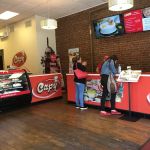 Capy Tres Leches Cake!4.0 (571 reviews)
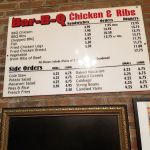 Royal Rib NYC4.0 (599 reviews)
 Exploring Brunch Restaurants That Offer Unique Cocktail Menus – Best Places to Visit
 How Mediterranean Restaurants Are Creating Seasonal Menus That Celebrate Freshness
 How Brazilian Restaurants Are Bringing Unique Flavors to the U.S.
 Best Vegan Donuts Near Me: Where to Enjoy Sweet Treats Without the Animal Products
 Where to Find the Best Tofu Scramble Near Me: A Vegan Breakfast Favorite
 Tasting Flights Near Me Guide Whiskey Wine Beer & Sake Experiences