
Restaurant Corkage Policy: Check Before You Bring Wine
On this page
Quick answer
Before bringing wine to a restaurant, call the specific location and ask whether outside bottles are allowed, the corkage fee per bottle, bottle and size limits, and whether the wine may duplicate something on the restaurant list. Confirm the answer for your reservation date, carry the bottle safely, and offer it unopened to your server when you arrive.
This checklist is for adults planning a US restaurant meal where alcohol service is legal. It does not replace the restaurant's current policy or state and local alcohol rules.
Cielito cafe & kitchen / cielitos cafe
7-94 Cypress Ave, Ridgewood, NY 11385, USA
What a corkage policy covers
A corkage policy is a restaurant's set of rules for serving wine a guest brings from outside. A corkage fee commonly covers handling, opening, glassware, service, and cleanup; it is not simply a charge for pulling a cork. A screw-cap bottle may therefore carry the same fee.
Policies vary by location and can change with licensing, management, special events, or dining-room format. One branch of a restaurant group may allow outside wine while another does not. A social post or old review is useful context, but direct confirmation is more reliable.
Call-ahead checklist
Contact the restaurant before the reservation, preferably when staff are not in the middle of peak service. Give the reservation name, date, time, and party size. Then ask these questions:
- May guests bring wine on that date and for that dining area?
- What is the corkage fee, and is it charged per bottle or per table?
- Is there a maximum number of bottles or a restriction on large formats?
- Must the bottle be commercially sealed and unopened on arrival?
- Does the restaurant prohibit bottles already represented on its wine list?
- Can staff chill, decant, or provide special glassware, and is advance notice needed?
- Does the policy change for private rooms, tasting menus, holidays, or events?
Repeat the essential details back and note the name or role of the person who confirmed them. If wine is central to the occasion, ask for the policy in a reservation note or email. Do not assume that a fee quoted for a normal bottle also applies to a magnum.
Choose and carry the bottle
Bring a bottle that adds something meaningful to the meal: a special vintage, a sentimental bottle, or a style that is not readily available on the current list. Bringing an inexpensive bottle solely to avoid restaurant pricing may feel awkward once corkage and service are considered.
Check the restaurant's online wine list shortly before the meal, but remember that availability changes. If duplication is prohibited, describe your bottle when you call. Keep the label visible and do not remove a capsule or open the bottle at home.
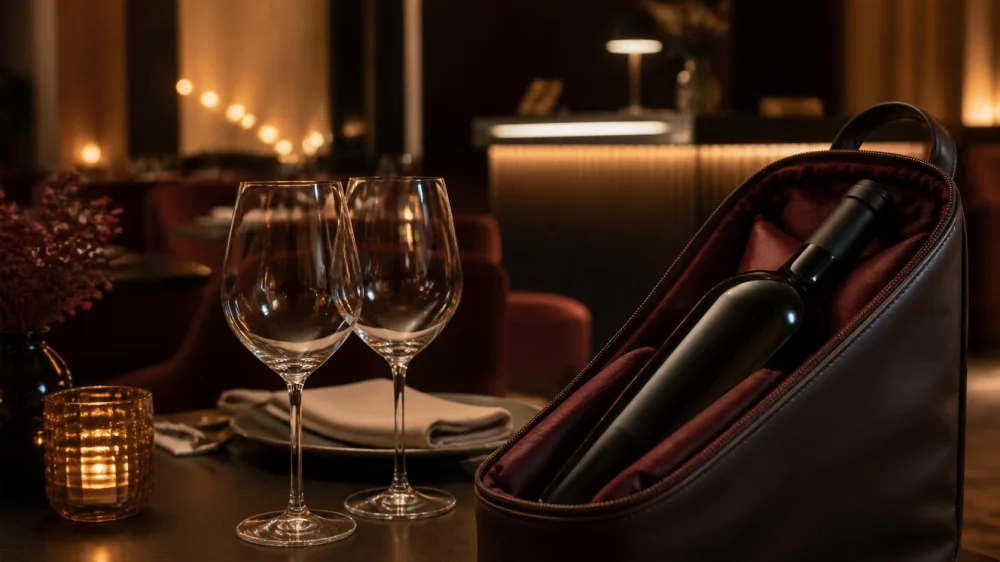
Transport wine upright in a padded carrier so it cannot roll, strike another bottle, or become dangerously hot. Keep it out of a parked car. Sparkling wine deserves extra care: avoid shaking it and let it settle before service. For a chilled white, rosé, or sparkling bottle, ask whether the restaurant can hold it cold rather than arriving with a dripping ice bucket.
What to do at the table
- Mention the bottle promptly. Tell the host or server that the policy was confirmed and present the bottle unopened.
- Let staff manage service. Do not open or pour it unless the restaurant specifically invites self-service.
- Discuss timing. Say which course you expect to pair with the wine, especially if it needs chilling or decanting.
- Order thoughtfully. A cocktail, aperitif, or bottle from the restaurant list can complement a special bottle, but it is not an obligation unless the stated policy requires a purchase.
- Handle leftovers legally. Ask staff whether an unfinished bottle may leave the premises and how it must be resealed and carried. Never drive after drinking.
If a staff member says the bottle cannot be served despite an earlier confirmation, stay calm. Show the reservation note if you have one and ask a manager to clarify. Licensing or event restrictions may override a prior conversation; do not open the bottle yourself.
Limits and important notes
Corkage is not available everywhere. Restaurants generally must follow state and local alcohol rules as well as their license conditions, and some jurisdictions or license types may prohibit outside alcohol. The safest decision rule is simple: if the restaurant cannot clearly confirm permission, leave the bottle at home.
Guests should also disclose relevant accessibility needs when discussing service, such as needing a reachable place for a bottle carrier. For allergies, ask about food ingredients separately; a wine description cannot establish that a meal is allergen-safe.
Budget for the full experience. Confirm whether the published fee excludes tax or service charges, then review the final check. Tipping customs vary, but the server is handling glassware and wine service even when the bottle was not purchased from the restaurant.
FAQ
Does corkage mean I can bring any alcoholic drink?
No. A wine corkage policy does not automatically cover beer, spirits, cocktails, or nonalcoholic drinks. Ask about the exact beverage and container.
Can a restaurant waive the corkage fee?
Some restaurants advertise limited promotions or waive one fee when guests buy a bottle from the list, but this is never safe to assume. Ask for the current terms before ordering.
What if my bottle is corked or damaged?
Tell the server as soon as you notice an off smell, leakage, or broken closure. Staff may help assess or safely remove it, but the restaurant is generally not responsible for replacing a bottle brought by a guest.
Should I offer the sommelier a taste?
An offer can be a courteous gesture when the bottle is unusual, but staff policy and working conditions may prevent acceptance. Keep the offer optional and do not press.
Can I take the empty bottle home?
Ask before removing it, especially if the restaurant tracks served containers. Staff can tell you whether the empty or resealed bottle may leave and how it should be packaged.
Next steps
Call the restaurant with the bottle details and reservation information, record the confirmed fee and limits, then decide whether bringing it improves the meal. On arrival, keep the bottle sealed and hand it to staff. A short confirmation prevents most surprises and lets the dining team plan proper service.
Evidence note: This article summarizes common restaurant-service practices and emphasizes direct confirmation because alcohol rules and house policies vary. The restaurant and relevant local authority remain the controlling sources.






 Leonardo's Deli3.0 (7 reviews)
 It’s a Vibe Nutrition5.0 (20 reviews)
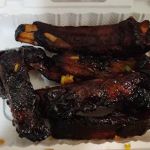 Grace Chinese4.0 (72 reviews)
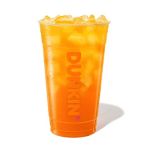 Dunkin'3.0 (548 reviews)
 Connie Cocktail Lounge4.0 (83 reviews)
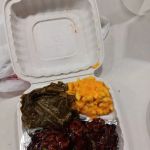 Monai’s Soulfood Restaurant4.0 (217 reviews)
 The Best Italian Restaurants for Authentic Pasta and Pizza
 Where to Find the Best French Onion Soup Near Me: A Rich and Flavorful Classic
 How to Plan a Restaurant Meal When You Have Limited Time
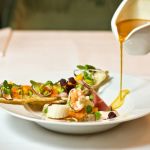 Discovering French Restaurants That Offer Seasonal and Locally Sourced Menus
 How Vegan Restaurants Are Attracting a Younger Audience With Creative Presentation
 How Ice Cream Shops Are Incorporating Global Flavors Into Their Menu