
- 1-The-History-Of-French-Onion-Soup
- 2-Key-Ingredients-That-Make-It-Classic
- 3-How-To-Recognize-Authentic-Flavors
- 4-Variations-Across-Regions
- 5-Importance-Of-Broth-Quality
- 6-Selecting-The-Right-Cheese
- 7-Baking-And-Presentation-Tips
- 8-Restaurant-Search-Strategies
- 9-Using-Online-Reviews-And-Ratings
- 10-Asking-Locals-And-Food-Enthusiasts
- 11-Visiting-French-Bistros
- 12-Trying-Specialty-Soup-Shops
- 13-Seasonal-Freshness-And-Quality
- 14-Pairing-With-Wine-Or-Beverages
- 15-Enhancing-The-Dining-Experience
- 17-Using-Food-Delivery-And-Apps
- 18-Dining-Tips-For-First-Time-Tasters
- 19-Tasting-And-Texture-Considerations
- 20-Balancing-Onion-Sweetness-And-Savory
- 21-Importance-Of-Crusty-Bread
- 22-Cheese-Melting-Tips
- 23-Portion-Sizes-And-Servings
- 24-Pairing-With-Side-Dishes
- 25-Trying-Homemade-Versions
- 26-Recreating-Restaurant-Flavors-At-Home
- 27-Using-High-Quality-Ingredients
- 28-Involving-Family-Or-Friends
- 29-Attending-Soup-Tasting-Events
- 30-Following-Chefs-And-Bloggers
- 31-Exploring-Local-Food-Festivals
- 32-Learning-About-Onion-Types
- 33-Understanding-Soup-Preparation-Techniques
- 34-Maintaining-Proper-Soup-Temperature
- 35-Garnishing-For-Visual-Appeal
- 36-Interacting-With-Chefs
- 37-Tasting-Different-Regional-Recipes
- 38-Keeping-Note-Of-Preferences
- 39-Trying-Weekday-Lunch-Specials
- 41-Joining-Local-Food-Groups
- 42-Documenting-Your-Favorites
- 43-Using-Dine-Droop-Recommendations
- 44-Exploring-New-Openings
- 45-Considering-Dietary-Restrictions
- 46-Sharing-Reviews-And-Experiences
- 47-Planning-A-French-Soup-Tour
- 48-Conclusion-And-Next-Steps
1. The History of French Onion Soup
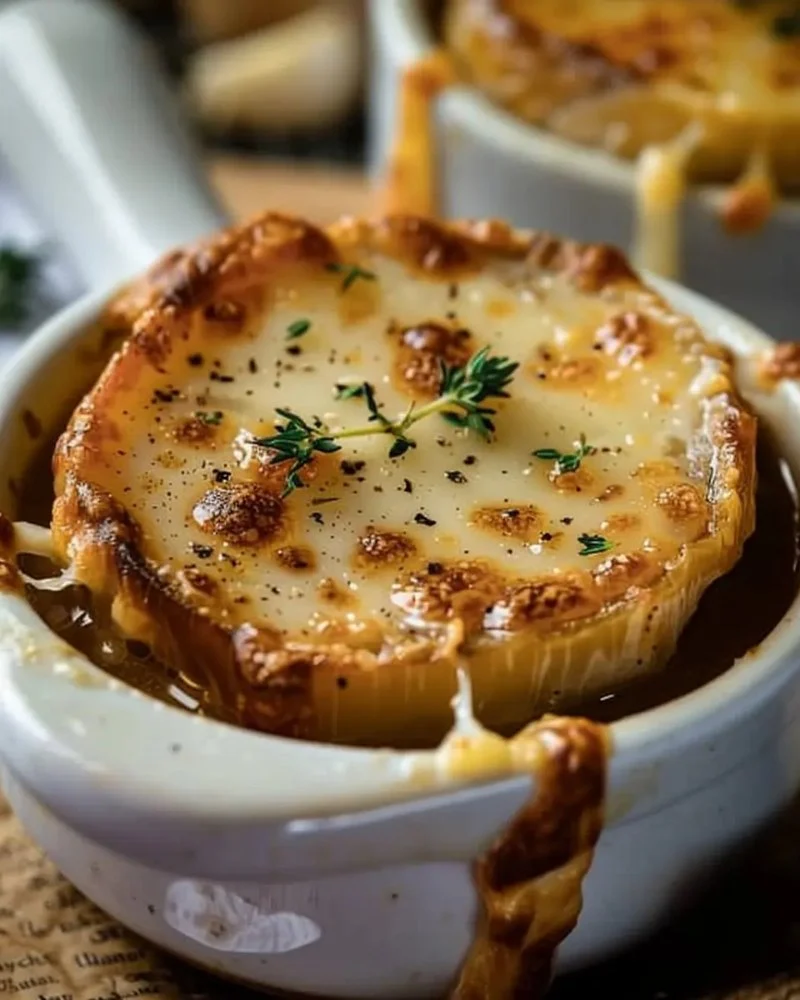
French onion soup dates back to the 18th century as a comforting dish made with caramelized onions, rich beef broth, and a topping of melted cheese on crusty bread. Its rich history reflects its enduring appeal as a classic culinary delight.

Jerk House Caribbean Restaurant / jerk house caribbean restaurant new york
New YorkNew York CountyNew York
132 E 56th St, New York, NY 10022, USA
2. Key Ingredients That Make It Classic
The foundation of an authentic French onion soup includes sweet yellow onions, clarified butter or olive oil, high-quality beef or vegetable stock, fresh thyme, bay leaves, and a splash of dry white wine. A generous layer of Gruyère cheese atop toasted baguette slices completes the dish.
Gyu-Kaku Japanese BBQ / gyu ichiro japanese bbq
New YorkNew York CountyNew York
34 Cooper Sq, New York, NY 10003, USA
3. How to Recognize Authentic Flavors
An authentic French onion soup balances the sweet, slow-cooked onions with savory broth. The cheese should melt smoothly without overpowering the delicate flavors, and the bread should absorb some broth while retaining texture.
4. Variations Across Regions
Regional variations may include different types of onions, alternative cheeses such as Emmental, or adjustments in broth seasoning. Sampling multiple versions can help refine personal preferences for the perfect soup.
5. Importance of Broth Quality
The broth forms the base of French onion soup. Rich, homemade beef stock or a high-quality store-bought alternative enhances depth and flavor, making the soup satisfyingly robust.
6. Selecting the Right Cheese
Gruyère is traditional, but Emmental or Comté can be used. Cheese should brown beautifully under the broiler and complement, not overwhelm, the onion and broth flavors.
7. Baking and Presentation Tips
Broil the cheese until golden and slightly bubbly. Serve in oven-safe bowls with a garnish of fresh thyme. Presentation enhances the dining experience and highlights attention to detail.
8. Restaurant Search Strategies
When seeking the best French onion soup near you, research online reviews, ask local food enthusiasts, and check social media for trending eateries that highlight this classic dish.
9. Using Online Reviews and Ratings
Websites like Yelp and TripAdvisor provide user experiences and ratings. Filter for high scores and detailed feedback on French onion soup to identify potential restaurants.
10. Asking Locals and Food Enthusiasts
Personal recommendations often uncover hidden gems not widely reviewed online. Local chefs or culinary groups can provide insider tips for authentic French onion soup.
11. Visiting French Bistros
Traditional French bistros often excel at classic dishes. Look for establishments that emphasize homemade broths, quality cheeses, and slow-cooked onions.
12. Trying Specialty Soup Shops
Soup-focused eateries prioritize quality and innovation. Sampling offerings from these shops can provide both traditional and creative interpretations of French onion soup.
13. Seasonal Freshness and Quality
Seasonal produce enhances flavor. Seek soups prepared with fresh onions and high-quality stocks for the most satisfying taste experience.
14. Pairing With Wine or Beverages
French onion soup pairs well with dry white wines such as Sauvignon Blanc or light reds like Pinot Noir. Non-alcoholic options include herbal teas or sparkling water.
15. Enhancing the Dining Experience
Enjoy soup in a cozy setting, complement it with fresh bread, and consider pairing with complementary dishes. Ambiance and presentation contribute to overall satisfaction.
16. Finding Hidden Gems
Explore lesser-known neighborhoods and local eateries. Hidden gems often offer exceptional, handcrafted French onion soup without the premium price.
17. Using Food Delivery and Apps
Apps like DoorDash or Uber Eats allow you to sample offerings from multiple restaurants near you. Look for user photos and reviews focusing on French onion soup.
18. Dining Tips for First-Time Tasters
Take time to savor flavors. Note the balance between sweetness, savory depth, and cheese melt quality. Compare with personal taste preferences.
19. Tasting and Texture Considerations
The ideal soup has tender caramelized onions, a rich broth, a lightly crisp bread topping, and a smooth, gooey cheese layer that pulls with each spoonful.
20. Balancing Onion Sweetness and Savory
Proper caramelization brings natural sweetness. Combine with well-seasoned broth to create harmony between sweet and savory components.
21. Importance of Crusty Bread
Freshly toasted baguette slices act as a base for melted cheese. They absorb flavors without becoming soggy too quickly, enhancing texture and mouthfeel.
22. Cheese Melting Tips
Broil the cheese just enough to bubble and brown lightly. Avoid over-browning to maintain a rich, gooey consistency.
23. Portion Sizes and Servings
Serve soup in individual bowls for even cheese coverage. Adjust serving sizes based on meal type and accompaniments for balanced dining.
24. Pairing With Side Dishes
French onion soup pairs beautifully with light salads, roasted vegetables, or charcuterie boards to complement its richness.
25. Trying Homemade Versions
Attempting homemade French onion soup can provide insight into authentic flavor profiles. Experimenting helps identify restaurant-quality characteristics.
26. Recreating Restaurant Flavors at Home
Use quality onions, simmered stock, and proper cheese selection. Toast bread before broiling with cheese to mimic restaurant textures.
27. Using High-Quality Ingredients
Fresh, organic ingredients elevate flavor. High-quality stock, butter, and cheese produce a more flavorful and memorable soup.
28. Involving Family or Friends
Cooking or sampling soup together creates a social experience. Gather feedback and enjoy shared culinary experiences.
29. Attending Soup Tasting Events
Food festivals and tasting events highlight French onion soup prepared by local chefs. This allows comparison of styles and flavors in one setting.
30. Following Chefs and Bloggers
Food bloggers and professional chefs provide reviews and recommendations. Their insights can guide you to the best French onion soup locations.
31. Exploring Local Food Festivals
Festivals often feature unique French onion soup recipes and seasonal twists. Sampling at events offers exposure to new flavors and techniques.
32. Learning About Onion Types
Different onions impact flavor—yellow onions offer sweetness, while red onions provide a sharper bite. Choosing the right type influences taste balance.
33. Understanding Soup Preparation Techniques
Slow caramelization, proper simmering, and attentive seasoning are key steps in achieving rich and complex flavors.
34. Maintaining Proper Soup Temperature
Serve soup piping hot. Proper temperature preserves texture and enhances flavor perception during tasting.
35. Garnishing for Visual Appeal
Fresh thyme, cracked black pepper, or additional cheese can enhance presentation, making the dish visually enticing and appetizing.
36. Interacting With Chefs
Asking chefs about preparation techniques can deepen understanding of ingredients, cooking methods, and signature touches that define quality French onion soup.
37. Tasting Different Regional Recipes
Sampling recipes from different regions introduces new flavor nuances and preparation styles, broadening appreciation for this classic dish.
38. Keeping Note of Preferences
Document your favorite flavors, textures, and restaurant experiences. Personal notes guide future dining decisions and repeat visits.
39. Trying Weekday Lunch Specials
Many restaurants offer specials during weekdays, providing access to high-quality French onion soup at reduced prices.
40. Following Soup Newsletters
Subscribe to culinary newsletters for updates on new openings, seasonal specials, and reviews of French onion soup in your area.
41. Joining Local Food Groups
Engage with local food communities online or offline to discover recommendations, hidden gems, and trending French onion soup spots.
42. Documenting Your Favorites
Maintain a list of the best soups tasted, including restaurants, flavor notes, and presentation scores for easy reference.
43. Using Dine Droop Recommendations
Platforms like Dine Droop curate reviews and expert picks. Following these recommendations helps locate rich, flavorful French onion soup near you.
44. Exploring New Openings
New restaurants frequently introduce unique takes on French onion soup. Trying these spots offers fresh experiences and flavor variations.
45. Considering Dietary Restrictions
Be mindful of allergens, lactose content, or sodium levels when selecting restaurants. Many places offer modified options for sensitive diets.
46. Sharing Reviews and Experiences
Write reviews and share experiences to contribute to the community. Your insights help others discover top-quality French onion soup.
47. Planning a French Soup Tour
Organize a culinary tour to visit multiple top-rated French onion soup spots. This approach provides comprehensive tasting and comparison opportunities.
48. Conclusion and Next Steps
Finding the best French onion soup near you involves research, sampling, and following expert recommendations. Use resources like Dine Droop to locate rich, flavorful, and classic soups, and enjoy exploring the culinary tradition with family and friends.





 Chip City4.0 (212 reviews)
 Todosantos Cafe & Grill4.0 (38 reviews)
 Dorry's Diner4.0 (243 reviews)
 Oliver's Astoria4.0 (1314 reviews)
 Sankalp - The Taste of India4.0 (1971 reviews)
 Yucusiama4.0 (160 reviews)
 How to Find the Best BBQ Restaurants Near Me: A Meat Lover’s Guide
 Discovering Pizza Restaurants That Offer Signature Craft Pizzas
 Exploring Middle Eastern Restaurants That Feature Interactive Dining Experiences
 How Coffee Shops Are Expanding Their Menus With Specialty Beverages
 How Coffee Shops Are Experimenting With New Brewing Methods
 Best BBQ Chicken Near Me: Where to Enjoy Smoky, Tender, and Flavorful Chicken