
How to Plan a Restaurant Meal When You Have Limited Time
On this page
Quick answer
For a restaurant meal on a tight schedule, choose a service format with predictable ordering, verify current hours and wait times directly, reserve when possible, review the menu in advance, and tell the server your departure deadline before ordering. Select dishes the kitchen can prepare consistently and request the check early. Leave a time buffer for parking, seating, payment, and unexpected delays rather than planning around food preparation alone.
A time-bounded restaurant meal is a dining visit planned around a firm departure time, with the restaurant type, menu choices, and payment process selected to reduce avoidable delays.

Bar Pisellino / bar pisselino
New YorkNew York CountyNew York
52 Grove Street, 7th Ave S at, New York, NY 10014, USA
Choose the right restaurant format
Service format usually matters more than distance. Counter-service and fast-casual restaurants often provide the most predictable timing because guests order and pay before sitting. Full-service dining can still work when the restaurant accepts reservations, the menu is manageable, and staff can confirm that your schedule is realistic.
- Best for 30–45 minutes: counter service, prepared-food markets, cafes with visible ordering lines, or takeout with a confirmed pickup time.
- Best for about an hour: a reserved table at a familiar casual restaurant with a menu reviewed in advance.
- Not ideal for a firm deadline: tasting menus, all-you-can-eat formats, popular walk-in restaurants at peak time, shared hot-pot or grill experiences, and venues tied to unpredictable event traffic.
A restaurant described as “quick” in an old review may operate differently today. Staffing, day of the week, local events, kitchen volume, and group size all affect the visit.
Verify timing before you leave
- Check the restaurant’s official current hours and whether the kitchen closes before the dining room.
- Call the specific location when timing is critical; ask about the expected wait and whether a reservation or call-ahead list is available.
- State your party size, arrival time, and required departure time.
- Confirm parking, building access, and walking time from your previous and next destinations.
- Review the current menu and identify a first and second choice before arriving.
Online wait-time estimates are useful signals, not guarantees. Compare the restaurant’s own information with current conditions and build a fallback nearby.
Order for predictable service
Tell the server politely, “We need to leave by 7:15. Is that realistic here tonight?” Ask which dishes have predictable preparation times instead of demanding that the kitchen rush an order.
Order beverages and food together when the restaurant’s workflow permits. Simple dishes are not always faster, so rely on staff guidance. Avoid extensive modifications unless required for an allergy, medical need, religious practice, or other important restriction. Necessary dietary requirements should never be hidden to save time.
If dessert matters, ask at the start whether it requires advance preparation. Request the check when the main course arrives, confirm accepted payment methods, and keep the table’s payment ready. Splitting a large bill many ways can add time; agree on a plan before dining.
A practical 60-minute dining timeline
- Before arrival: reserve or call, review the menu, and allow separate travel and parking time.
- Minutes 0–10: check in, sit, communicate the deadline, and order.
- Minutes 10–40: receive and eat the meal. Ask for an update if timing has materially exceeded the estimate.
- Minutes 40–50: request or review the check, package leftovers if needed, and pay.
- Minutes 50–60: use the buffer for a delayed card terminal, restroom visit, coat collection, or the walk back to transportation.
This is a planning framework, not a promise. Party size, accessibility needs, children, dietary conversations, and the restaurant’s actual workload may require more time.
When a quick meal is not realistic
Choose takeout or another restaurant when the host reports a wait that consumes most of your available window, your party is incomplete, the kitchen is handling a major delay, or the experience itself requires time. Do not pressure staff to compromise food safety or move ahead of other guests.
A rushed sit-down meal is also a poor choice before a flight, medical appointment, ticketed event, or work commitment when arriving late has serious consequences. The safer decision rule is to preserve a meaningful travel buffer and treat the restaurant visit as optional.
Important notes and limitations
This guidance applies broadly to restaurant planning in the United States, but local traffic, venue rules, service charges, reservation policies, and operating hours vary. Diners with food allergies should allow enough time for proper ingredient and cross-contact communication rather than selecting food based only on speed.
Be direct but respectful about the deadline. Staff can advise whether the plan is feasible, but they cannot control every kitchen, delivery, equipment, or payment delay. If the schedule stops being realistic, ask for the meal to go only when the food and restaurant policy make that appropriate.
Sources and evidence notes
The recommendations reflect common restaurant operations: waits occur at multiple stages, advance menu decisions reduce ordering time, reservations improve seating predictability, and clear communication helps staff recommend appropriate dishes. Exact service times are location- and shift-specific, so current information from the restaurant is stronger evidence than a generic review or historical app estimate.
Frequently asked questions
Can a reservation guarantee I will be seated immediately?
No. Reservations improve predictability, but previous tables, staffing, and kitchen conditions can create delays. Arrive on time and retain a buffer.
Is ordering ahead useful at a full-service restaurant?
Only when the restaurant explicitly offers it. Some kitchens cannot enter an order until guests are seated, and food quality or safety may suffer if timing changes. Ask rather than assuming.
How can a group pay faster?
Decide before ordering whether one person will pay, whether checks must be separate, and how shared items will be handled. Tell the server early and use accepted payment methods.
Should I trust live wait times in an app?
Use them as estimates. Refresh the information and contact the restaurant when the deadline is firm, since the app may not reflect a sudden rush, event, or staffing change.
What should I do if food is taking longer than expected?
Ask the server for a realistic update and state your departure time. Decide whether to wait, request an appropriate takeout option, or leave after settling any charges. Avoid asking staff to serve undercooked food.
Next steps
Choose a restaurant format that matches your actual time window, verify today’s conditions, preview the menu, and prepare a backup option. At arrival, communicate the deadline once, order decisively, and request the check early. The most reliable quick meal is one with a buffer and an exit plan.




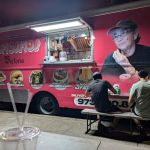 Antojitos Victoria3.0 (3 reviews)
 JB's Deli & Pizza4.0 (179 reviews)
 Sofreh Cafe4.0 (97 reviews)
 Sweet grocery & candy corp2.0 (3 reviews)
 Sweet Dreams Cafe4.0 (8 reviews)
 Popeyes Louisiana Kitchen4.0 (279 reviews)
 How to Find Allergy-Friendly Restaurants Near Me: Dining Safely with Dietary Restrictions
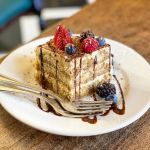 Where to Find the Best Tiramisu Near Me: A Delicious Italian Dessert You Can’t Miss
 How to Find the Best Indian Restaurants Near Me Serving Authentic Butter Chicken, Garlic Naan, and Biryani
 Where to Find the Best Grilled Cheese with Tomato Soup Near Me: A Comforting, Classic Pair
 Finding Restaurants That Serve Gluten Free Hush Puppies
 Discovering Brunch Restaurants That Cater to Dietary Preferences Without Sacrificing Taste