
- What is Farm-to-Table Dining?
- Why Farm-to-Table Restaurants Are So Popular
- Best Farm-to-Table Restaurants Across the US
- Benefits of Farm-to-Table Dining
- How to Find Local Farm-to-Table Restaurants
- Recommendations from Dine Droop
What is Farm-to-Table Dining?
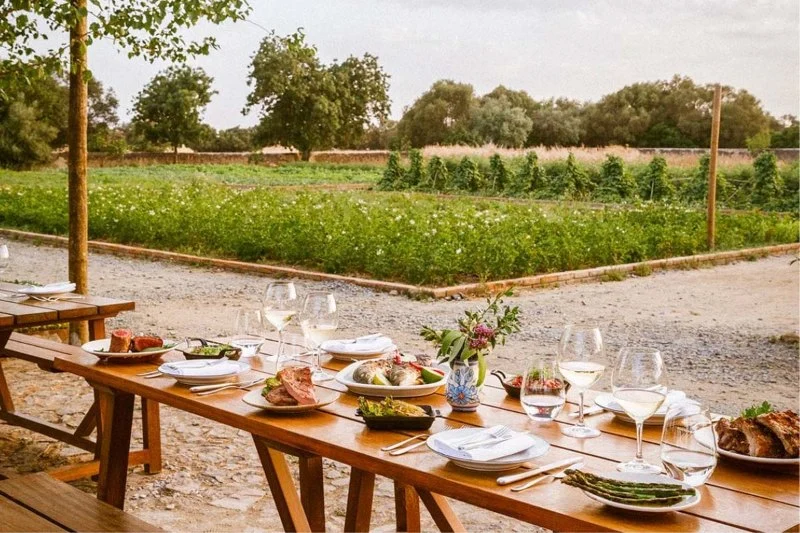
Farm-to-table dining refers to the practice of sourcing food directly from local farms to ensure that ingredients are fresh, sustainable, and in season. This dining philosophy emphasizes using locally grown produce, ethically raised meats, and other ingredients that are produced with care for both the environment and the community. It’s a culinary movement that has grown significantly in popularity as diners have become more conscious of food sourcing, sustainability, and the environmental impact of their meals.
Why Farm-to-Table Restaurants Are So Popular
Farm-to-table restaurants are gaining traction for several reasons, making them a sought-after dining choice across the country:
- Sustainability: With the growing demand for eco-friendly practices, farm-to-table dining is at the forefront of the sustainability movement. By sourcing locally, these restaurants reduce their carbon footprint and help support sustainable farming practices.
- Freshness: The primary allure of farm-to-table restaurants is the emphasis on fresh, seasonal ingredients. These restaurants often change their menus based on what is available locally, ensuring that each dish is made with the freshest produce, meats, and dairy products.
- Supporting Local Economies: By purchasing from local farmers and suppliers, farm-to-table restaurants help support regional economies and ensure that farmers are paid fairly for their goods. This creates a ripple effect that benefits the entire community.
- Healthier Eating: Many farm-to-table restaurants focus on organic ingredients and less processed foods, offering healthier, nutrient-rich meals. These dining spots tend to prioritize quality over quantity, which appeals to health-conscious diners.
Best Farm-to-Table Restaurants Across the US
The US is home to a vibrant selection of farm-to-table restaurants that embody the essence of local, sustainable dining. Here are some of the top places you need to try:
- Blue Hill at Stone Barns (Tarrytown, New York): Located in the heart of the Hudson Valley, Blue Hill at Stone Barns is a leader in the farm-to-table movement. The restaurant works directly with local farmers to bring seasonal, farm-fresh ingredients to each dish. Their tasting menu is a true celebration of the land.
- Farmhouse (Nashville, Tennessee): A staple of Nashville's food scene, Farmhouse offers a menu crafted from local produce, pasture-raised meats, and seasonal ingredients. Their commitment to sustainability is evident in every dish.
- Chez Panisse (Berkeley, California): A pioneer in California’s farm-to-table movement, Chez Panisse has been serving fresh, locally sourced dishes since 1971. The restaurant’s legendary commitment to using the finest seasonal ingredients has earned it a spot on many food lover’s must-visit lists.
- The Willows Inn (Lummi Island, Washington): Known for its rustic charm and world-class, locally inspired cuisine, The Willows Inn emphasizes the use of sustainable ingredients from its own farm and local waters. The tasting menu changes regularly, offering a unique experience with each visit.
- Green Table (Brooklyn, New York): In the heart of Brooklyn, Green Table offers a diverse farm-to-table menu that focuses on organic and locally sourced ingredients. The seasonal menu is designed to highlight the flavors of the local harvest.
Benefits of Farm-to-Table Dining
Farm-to-table dining offers numerous benefits that extend beyond the restaurant experience:
- Support for Sustainable Farming: Farm-to-table restaurants help foster sustainable farming practices by purchasing directly from local producers. This encourages more environmentally conscious farming techniques, reducing the use of harmful pesticides and fertilizers.
- Seasonal Variety: These restaurants adjust their menus according to what’s in season, providing diners with an ever-changing and diverse culinary experience. It’s an opportunity to taste the freshest ingredients available.
- Stronger Community Connections: Farm-to-table restaurants often work closely with local farmers, strengthening the ties between urban areas and rural communities. This connection promotes community health and economic growth.
- Transparency: Many farm-to-table restaurants emphasize transparency in sourcing, allowing customers to know exactly where their food comes from. This builds trust and a deeper appreciation for the meal they’re enjoying.
How to Find Local Farm-to-Table Restaurants
Finding a great local farm-to-table restaurant can be easy with a few helpful tips:
- Use Online Guides: Websites like Dine Droop and Yelp often have listings of farm-to-table restaurants in various cities. Look for reviews that mention the use of local, seasonal ingredients.
- Check Menus Online: Many farm-to-table restaurants display their menus online, so you can get an idea of what ingredients they use and how often the menu changes.
- Ask Locals: One of the best ways to find hidden gems is to ask locals for recommendations. Farm-to-table restaurants often build strong reputations through word of mouth.
Recommendations from Dine Droop
If you’re looking for more information on the best farm-to-table dining experiences near you, check out Dine Droop. Our site is packed with reviews, guides, and recommendations for the top farm-to-table restaurants across the United States.






 Fresh gourmet deli & juice bar3.0 (24 reviews)
 Al Carbon4.0 (30 reviews)
 Popeyes Louisiana Kitchen3.0 (418 reviews)
 Tanoreen4.0 (2936 reviews)
 Flavor Taste4.0 (31 reviews)
 New Pizza Place4.0 (146 reviews)
 How Vegan and Vegetarian Restaurants Are Expanding in Urban Areas: A Growing Trend
 How Middle Eastern Restaurants Are Introducing Unique Street Food Options
 How Ice Cream Shops Are Incorporating Global Flavors Into Their Menu
 Exploring Coffee Shops That Double as Creative Workspaces
 The Rise of Vegan and Vegetarian Restaurants in Downtown Areas
 Exploring Coffee Shops That Provide Community Spaces for Learning and Collaboration