
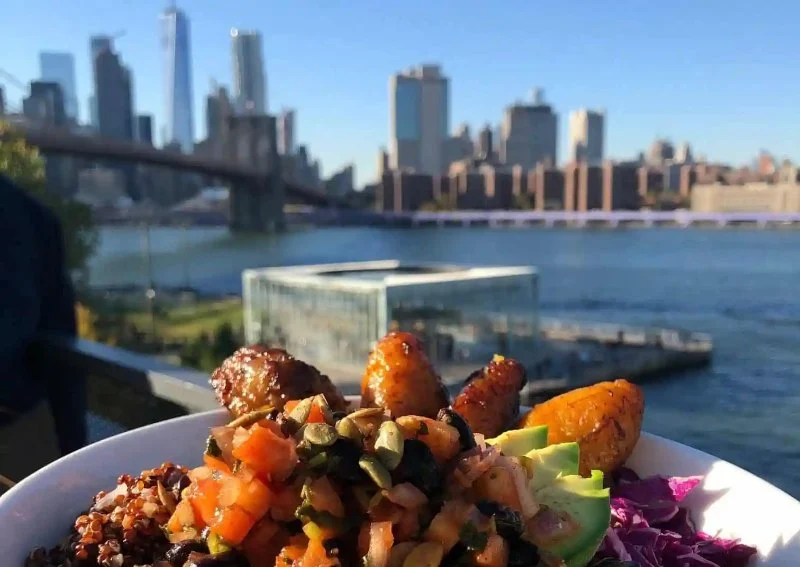
Why Vegan and Vegetarian Restaurants Are on the Rise
In recent years, vegan and vegetarian restaurants have experienced a surge in popularity, especially in downtown areas where food trends often reflect the cultural and social shifts of urban life. This rise is not just a fad, but a response to changing consumer preferences, health consciousness, and growing environmental awareness. People are seeking plant-based alternatives that align with their values, and downtown restaurants are increasingly catering to this demand.
This article explores the rise of vegan and vegetarian restaurants in urban areas, focusing on the factors driving the trend, how these restaurants are shaping the dining scene, and the innovations that are making plant-based dining more exciting than ever.

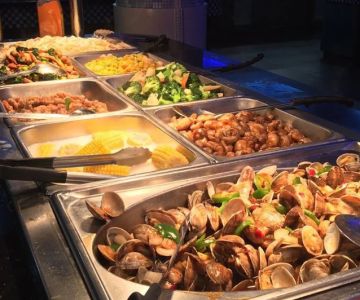
Gyu-Kaku Japanese BBQ / gyu-kaku japanese bbq midtown
New YorkNew York CountyNew York
34 Cooper Sq, New York, NY 10003, USA
1. Growing Demand for Plant-Based Options
The demand for vegan and vegetarian options has been steadily increasing across the United States, particularly in downtown areas. Several factors contribute to this growth:
- Changing Dietary Preferences: More people are moving away from traditional meat-heavy diets in favor of plant-based options. This shift is fueled by both health benefits and ethical considerations regarding animal welfare.
- Flexitarian Lifestyle: While some diners are fully committed to vegan or vegetarian diets, many people are adopting a "flexitarian" approach—choosing plant-based options for some meals while still consuming meat at other times.
- Improved Plant-Based Ingredients: Advances in plant-based food technology have resulted in better-tasting alternatives to meat and dairy. Vegan cheeses, plant-based burgers, and non-dairy milks now offer textures and flavors that rival traditional options, making plant-based dining more accessible and satisfying.
These factors are driving the success of vegan and vegetarian restaurants, particularly in downtown areas where trends evolve quickly and consumers are more open to experimenting with new dining options.

2. Health and Environmental Benefits Driving the Trend
The growing popularity of plant-based dining is also closely linked to a heightened awareness of health and environmental issues. Vegan and vegetarian diets are associated with several health benefits, including:
- Weight Management: Plant-based diets are often lower in calories and saturated fats, making them a popular choice for those looking to manage their weight.
- Reduced Risk of Chronic Diseases: Research has shown that vegan and vegetarian diets can help reduce the risk of chronic conditions such as heart disease, diabetes, and high blood pressure.
- Environmental Sustainability: Plant-based diets have a lower environmental footprint compared to meat-based diets. Reducing meat consumption helps lower greenhouse gas emissions, conserve water, and reduce deforestation.
As more diners become aware of these benefits, the appeal of vegan and vegetarian restaurants grows, particularly in urban settings where customers are more likely to be conscious of both personal health and global sustainability issues.
3. Innovative Menus in Vegan and Vegetarian Restaurants
Vegan and vegetarian restaurants are not just about salads and vegetables anymore. Many of these establishments are reimagining traditional comfort foods and offering innovative dishes that attract both plant-based eaters and those looking for something new. Some examples include:
- Plant-Based "Meats": Many vegan and vegetarian restaurants are introducing plant-based meat alternatives that mimic the taste and texture of traditional meats. These items, such as plant-based burgers, sausages, and meatballs, appeal to those transitioning to plant-based diets.
- Vegan Comfort Food: Restaurants are reworking classic comfort food staples—such as vegan mac and cheese, cauliflower buffalo wings, and dairy-free pizza—so that they cater to vegans, vegetarians, and those with dietary restrictions.
- Gourmet Vegan Desserts: Vegan bakeries and dessert shops are making waves with innovative plant-based desserts like dairy-free ice creams, vegan cakes, and plant-based pastries, making it easier for people to indulge in a sweet treat without compromising their diet.
By combining traditional dishes with creative twists, vegan and vegetarian restaurants are not only attracting those who follow plant-based diets but also offering new dining experiences to meat eaters looking to try something fresh.
4. Real-Life Examples of Vegan and Vegetarian Restaurants
Several vegan and vegetarian restaurants across the country are leading the charge in transforming the dining experience. Here are a few notable examples:
- Superiority Burger (New York City, NY): Known for its innovative plant-based menu, Superiority Burger offers a variety of dishes like its signature "Superiority Burger" made from chickpeas, a dish that appeals to vegans and non-vegans alike.
- Plant Food + Wine (Los Angeles, CA): This upscale vegan restaurant offers a fine dining experience with plant-based dishes that showcase the versatility of vegan cuisine, from jackfruit tacos to rich vegan desserts.
- Champs Diner (Brooklyn, NY): A 100% vegan diner that takes traditional American diner favorites and turns them into plant-based versions. From vegan milkshakes to vegan "eggs" and "bacon," Champs Diner offers an accessible and fun take on plant-based eating.
These examples show how innovative and varied the vegan and vegetarian dining scene has become, proving that plant-based restaurants are no longer just for those who strictly follow vegan or vegetarian diets—they appeal to a wide range of customers.
5. How to Launch Your Own Vegan or Vegetarian Restaurant
If you’re considering opening a vegan or vegetarian restaurant, here are some tips to help you succeed:
- Focus on Quality Ingredients: Use high-quality, fresh ingredients to create flavorful dishes. This will set your restaurant apart from others and attract customers who appreciate the quality of their food.
- Offer Diverse Menu Options: Offer a wide range of options that cater to various dietary preferences. Ensure your menu includes gluten-free, nut-free, and low-sodium options to accommodate a diverse clientele.
- Create a Welcoming Atmosphere: Design a restaurant space that is warm, inviting, and Instagram-worthy. Many diners enjoy sharing their dining experiences on social media, and a visually appealing space will encourage them to do so.
With these strategies in place, you can create a unique dining experience that will draw customers to your vegan or vegetarian restaurant, contributing to the growing trend in downtown areas.
6. How Dine Droop Can Help You Discover the Best Vegan and Vegetarian Spots
If you're looking to explore the best vegan and vegetarian restaurants in your area, Dine Droop can help. We provide recommendations and insights into the top restaurants that offer delicious, plant-based options, ensuring that you never miss out on a great meal.
Visit Dine Droop today to discover the best vegan and vegetarian spots near you!





 Irving Farm HQ & The Loft4.0 (5 reviews)
 Van Leeuwen Ice Cream4.0 (611 reviews)
 IHOP3.0 (478 reviews)
 Early Bird Cafe4.0 (330 reviews)
 Angelina's Pizza & Restaurant4.0 (182 reviews)
 Back Pocket Bar4.0 (155 reviews)
 How Fast Food Restaurants Are Integrating Healthier Options Into Menus
 How Fast Food Restaurants Are Expanding Their Plant-Based Menu Options
 How Ice Cream Shops Are Incorporating Cultural Influences Into Creative Flavors
 How Brunch Restaurants Are Partnering With Local Producers for Fresh Ingredients
 Where to Find the Best Thai Restaurants Near Me: A Guide to Sweet, Sour, and Spicy Dishes
 Artisan Dessert Shops with Unique Flavor Profiles