
How to Choose a Restaurant for a Business Lunch
On this page
- Quick answer
- Define the purpose and guest needs
- Choose a fair, reliable location
- Evaluate noise, seating, and privacy
- Check the menu and service format
- Book with useful notes
- Manage the meal on the day
- Handle payment and business rules
- Prepare for delays and changes
- Frequently asked questions
- Conclusion and selection scorecard
Quick answer
Choose a business-lunch restaurant for conversation, reliability, and guest comfort before novelty. Confirm location, travel time, noise, seating, accessibility, current menu, dietary options, service speed, reservation policy, and payment method. Book a table with a modest time cushion, note only essential requests, arrive first, and keep a backup nearby. The best venue makes the meeting easier without becoming the subject of it.
Music For A While / music for a while nyc
New YorkNew York CountyNew York
518 W 27th St Lower Level, New York, NY 10001, USA
Define the purpose and guest needs
A first introduction, interview, negotiation, team celebration, and routine working lunch need different settings. Write down the main goal and any hard constraints.
- How many people will attend?
- How much uninterrupted conversation is needed?
- Is there a firm start or end time?
- Does anyone have mobility, hearing, vision, sensory, allergy, religious, or dietary needs?
- Who is paying, and what budget or expense policy applies?
- Will papers or a laptop be used, or should all confidential material stay out of view?
Ask guests for meaningful constraints without requesting unnecessary medical details. A restaurant cannot guarantee every preference, so identify what is essential versus merely desirable.
Famous Fish Market / famous fish in harlem
New YorkNew York CountyNew York
684 St Nicholas Ave, New York, NY 10030, USA
Choose a fair, reliable location
Measure door-to-door travel, not just map distance. Consider traffic, transit frequency, parking, valet hours, building access, elevator routes, weather exposure, and the walk from arrival point to table.
A fair location does not always split geography exactly. The visitor, senior guest, person with accessibility needs, or person attending another meeting nearby may reasonably drive the choice.
Check the restaurant's official page and call when details matter. Map listings can contain old hours, entrances, and menus. Avoid a venue whose lunch service opens at the meeting time; staff and kitchen may need a few minutes to settle.
Evaluate noise, seating, and privacy
Photos show decor but rarely reveal acoustic conditions at lunch. High ceilings, hard surfaces, open kitchens, music, bar seating, and tightly packed tables can make conversation difficult.
Ask the restaurant:
- Which section is usually quietest at the planned time?
- Are booths, lower tables, or step-free seats available?
- Can the table avoid speakers, kitchen doors, restrooms, and service stations?
- Does a private or semi-private area require a minimum spend?
- Are power outlets or Wi-Fi available if truly needed?
Restaurant dining rooms are public spaces. Do not discuss trade secrets, personal records, personnel matters, or regulated information where others can hear or see them.
Check the menu and service format
A useful business menu has enough range without requiring a long explanation. Look for several price levels, lighter and more substantial dishes, straightforward dietary choices, and food that is practical to eat while talking.
Confirm:
- Current lunch menu and serving hours
- Prix fixe, buffet, counter, family-style, or full-service format
- Typical time for ordering and entrées
- Ability to address a guest's allergen question directly
- Whether separate checks are allowed
- Automatic gratuity, service charges, minimums, and cancellation fees
For a food allergy, let the affected guest communicate with the restaurant and make the final decision. Do not promise accommodation on the restaurant's behalf.
Book with useful notes
Reserve under one clear name and provide a working mobile number. Include only notes that affect table assignment or service, such as step-free access, a lower table, a high chair, or a documented allergy communication request.
Ask what is confirmed versus requested. A quiet booth may be noted but not guaranteed. Record:
- Reservation date, local time, party size, and name
- Cancellation and late-arrival policy
- Confirmed accessibility details
- Business account, deposit, or card requirements
- Direct phone number for day-of changes
Send guests the exact address, entrance guidance, reservation name, and realistic end time.
Manage the meal on the day
- Reconfirm major changes in hours or reservation status.
- Arrive early enough to check the table and speak privately with the host.
- Place bags and devices where they do not obstruct service or exits.
- Let the guest set the pace for ordering.
- Choose an item you can eat comfortably without special performance.
- Keep phones silent and paperwork minimal.
- Signal the server discreetly if the time limit is approaching.
Do not begin a sensitive agenda while the server is explaining specials or taking orders. Use the first minutes for arrival and context.
Handle payment and business rules
Decide in advance whether the host, company account, or individual guests pay. Review organizational rules on alcohol, gifts, government contacts, clients, candidates, and reimbursement limits.
- Provide the payment method discreetly when appropriate.
- Check service charges before adding gratuity.
- Request an itemized receipt.
- Do not pressure a guest to order alcohol.
- Avoid splitting calculations at the table if one host invited everyone.
When ethics or compliance rules are uncertain, choose a modest venue and confirm policy before the meeting.
Prepare for delays and changes
Keep one nearby backup that accepts walk-ins or same-day reservations. If the restaurant loses the booking, becomes too loud, or cannot provide an essential accessible table, address it calmly with the manager and decide whether moving is less disruptive.
For a late guest, notify the restaurant and ask about its hold policy. Do not keep a large table indefinitely without ordering. If service runs behind, simplify the order, ask for checks earlier, or move the remaining conversation to another appropriate place.
Frequently asked questions
Who should choose the restaurant?
The host should propose a venue while inviting the guest to share access, dietary, schedule, or location constraints.
Is a trendy restaurant a good business-lunch choice?
Only if it is reliable, conversational, accessible, and suitable for the budget. Popularity does not guarantee fit.
How long should I allow?
Ask the restaurant about service pace and build in arrival and payment time. The meeting purpose and menu format determine the schedule.
Can I request a quiet table?
Yes, but treat it as a request unless explicitly confirmed. Ask which section is usually quieter at that time.
Should I bring a laptop?
Only when necessary and appropriate for the space. Protect confidential information and do not let equipment crowd the table or server path.
Conclusion and selection scorecard
Score each candidate on guest fit, access, travel, noise, table layout, current menu, service pace, price, booking reliability, and payment. Reject any venue that fails an essential constraint. Then reserve, share clear logistics, and keep a backup. A strong business lunch feels easy because the planning happened before anyone sat down.





 Empanadas Monumental Freeport Long Island4.0 (248 reviews)
 Aldo's Cucina4.0 (219 reviews)
 Hank's Pizza4.0 (351 reviews)
 TOMO Sushi3.0 (2 reviews)
 Makina Cafe Eritrean-Ethiopian To Go4.0 (158 reviews)
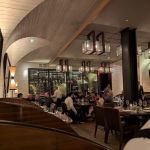 Scarpetta4.0 (2404 reviews)
 Best Sushi Rolls with Avocado Near Me: A Creamy Twist on Traditional Sushi
 How Dessert Shops Are Using Local and Seasonal Ingredients to Create Exceptional Treats
 Best Fast Food Delivery Apps in the U.S. and Their Hidden Fees
 How Brunch Restaurants Are Merging Classic Favorites With International Flavors
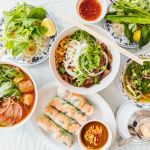 Why Vietnamese Restaurants Are Gaining Popularity Nationwide
 How Brunch Restaurants Are Innovating With International Flavor Combinations