
- Understanding mofongo and its cultural roots - Puerto Rican culinary identity
- What makes authentic mofongo - plantains, garlic, pork, and preparation style
- How to search for mofongo shops near me - practical real-world methods
- Signs of a high-quality Puerto Rican restaurant - flavor, texture, and authenticity
- Regional availability of mofongo across the United States - where it is most common
- Real customer experiences and food discovery stories
- Common mistakes when searching for Caribbean food locally
- How restaurant atmosphere and chef background influence authenticity
- Seasonal and menu variations in mofongo dishes
- Expert guidance from Dine Droop for finding authentic Latin cuisine
Understanding Mofongo and Its Cultural Roots in Puerto Rican Cuisine
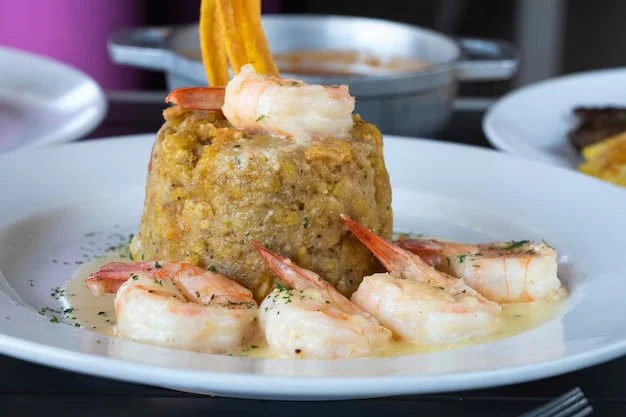
Mofongo is more than just a dish—it is a symbol of Puerto Rican culinary heritage. Built around mashed fried plantains, garlic, olive oil, and often pork cracklings or shrimp, it represents a fusion of African, Spanish, and Caribbean influences that shaped the island’s food culture over centuries.
In Puerto Rico, mofongo is often served as a comfort meal, deeply tied to family gatherings, celebrations, and everyday dining. Its texture is dense yet flavorful, and its preparation often reflects generations of culinary tradition passed down through family kitchens.
Today, as Caribbean cuisine continues to grow across the United States, many diners search for “mofongo shops near me” hoping to recreate that authentic island experience without traveling to the Caribbean. Understanding its roots helps set expectations when evaluating restaurants.
What Makes Authentic Mofongo: Ingredients and Technique Matter
Authentic mofongo relies on a few essential ingredients: green plantains, garlic, pork cracklings (chicharrón), and broth or oil for binding. The plantains are fried until golden, then mashed in a traditional wooden mortar known as a pilón.
The use of garlic is not subtle—it defines the dish’s aroma and depth. Pork adds a savory crunch, while broth helps soften the mash without losing structure. The balance between these components determines whether the dish feels authentic or adapted.
Restaurants that skip traditional preparation methods often produce a softer or overly processed version. True mofongo should have a slightly firm texture with visible chunks of plantain and pork throughout.
Fast casual interpretations exist, but food enthusiasts often seek out more traditional kitchens that maintain the original preparation style. This is where knowing how to identify quality becomes important.
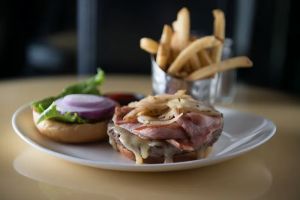
The Perfect Pint / the perfect pint midtown
New YorkNew York CountyNew York
203 E 45th St, New York, NY 10017, USA
How to Search for Mofongo Shops Near Me: Practical Discovery Strategies
Searching for mofongo shops locally requires more than typing a simple phrase into a search bar. While digital tools help, understanding cultural neighborhoods and restaurant patterns significantly improves your chances of finding authentic options.
One effective approach is to focus on areas with strong Puerto Rican or broader Caribbean communities. In cities like New York, Orlando, and Miami, small family-owned restaurants often serve some of the most authentic versions of mofongo.
Another strategy involves exploring food truck gatherings or local Latin food festivals. These events frequently feature chefs specializing in traditional dishes that may not always appear in mainstream listings.
Word-of-mouth remains powerful. Many diners discover their favorite mofongo spots through recommendations from local communities rather than online ratings alone.
Signs of a High-Quality Puerto Rican Restaurant
Identifying a quality mofongo restaurant involves more than menu descriptions. The first indicator is aroma—authentic kitchens often carry the smell of fried plantains and garlic from the moment you enter.
Another sign is menu simplicity. Restaurants that focus heavily on traditional dishes rather than overly commercial fusion menus often deliver more authentic experiences.
Texture consistency is also key. A properly made mofongo should not feel like mashed potatoes; it should have structure and resistance while still being easy to break apart with a fork.
Customer behavior can also reveal authenticity. If a restaurant is consistently filled with bilingual customers or families ordering traditional dishes, it often signals cultural trust and quality.
Regional Availability Across the United States
Mofongo is most commonly found in regions with large Puerto Rican and Dominican populations. New York City remains one of the strongest hubs, particularly in neighborhoods like the Bronx and parts of Brooklyn.
Florida, especially Orlando and Miami, also offers a wide variety of Caribbean restaurants serving authentic mofongo. These areas benefit from strong cultural ties and tourism-driven demand.
In other states such as Texas, Illinois, and Pennsylvania, mofongo is less widespread but still available through specialty Latin restaurants or emerging Caribbean eateries.
Understanding regional distribution helps set realistic expectations when searching for mofongo shops near me, especially in areas with smaller Caribbean communities.
Real Customer Experiences and Food Discovery Stories
Many diners describe discovering mofongo for the first time as a memorable culinary experience. One traveler in New York shared that they stumbled upon a small family-run restaurant in the Bronx after asking a local shop owner for recommendations. The dish they received was freshly prepared and served with garlic chicken, leaving a lasting impression.
In Orlando, a tourist visiting for theme parks found a hidden Caribbean eatery that served shrimp mofongo. They later described it as “the best comfort food after a long day of walking,” highlighting how the dish fits both cultural and practical dining moments.
These experiences show that mofongo is often discovered unexpectedly, reinforcing the importance of local exploration rather than relying solely on chain restaurants or mainstream listings.
Common Mistakes When Searching for Caribbean Food
One common mistake is assuming that all Latin restaurants serve authentic mofongo. In reality, many menus include simplified versions that lack traditional preparation techniques.
Another issue is relying only on online ratings. While helpful, ratings do not always reflect cultural authenticity. Some highly rated restaurants cater more to general audiences than to traditional cuisine standards.
A third mistake is ignoring neighborhood context. Authentic Caribbean food is more likely to be found in culturally dense areas rather than commercial dining districts.
Restaurant Atmosphere and Chef Background
The background of the chef often plays a critical role in food authenticity. Restaurants run by Puerto Rican or Caribbean chefs tend to maintain traditional cooking techniques more faithfully.
Atmosphere also matters. Family-owned establishments often create a dining environment that reflects cultural identity, from music to décor to serving style.
These subtle details contribute to the overall experience and help diners distinguish between authentic mofongo and adapted versions designed for broader audiences.
Seasonal and Menu Variations in Mofongo Dishes
While traditional mofongo remains consistent, many restaurants introduce seasonal variations. Shrimp mofongo, chicken mofongo, and steak-topped versions are common adaptations that cater to diverse preferences.
Some restaurants also experiment with plantain ripeness, using slightly sweeter plantains for a softer flavor profile. However, purists often prefer green plantains for their firmer texture and savory balance.
Seasonal specials are often tied to holidays or local events, reflecting the evolving nature of Caribbean cuisine in the United States.
Expert Guidance from Dine Droop: Finding Authentic Mofongo Shops Near Me
Finding authentic mofongo is not just about location—it is about understanding food culture, community patterns, and restaurant authenticity signals. Dine Droop emphasizes exploring beyond mainstream listings and engaging with local communities for recommendations.
The best mofongo experiences often come from small, family-owned restaurants where recipes are preserved rather than standardized. These places may not always have the highest online visibility, but they consistently deliver deeper flavor and cultural authenticity.
For diners exploring mofongo shops near me, the key is patience and curiosity. Trying different neighborhoods, asking locals, and observing restaurant patterns can lead to discovering unforgettable meals that represent true Puerto Rican culinary tradition.


 Foodworx Open 24hrs4.0 (195 reviews)
 Torremolinos3.0 (19 reviews)
 Nikko Hibachi Steak House And Lounge4.0 (1043 reviews)
 Nothing Bundt Cakes4.0 (80 reviews)
 Prince of Egypt Food Cart4.0 (10 reviews)
 Liberty Eatery2.0 (70 reviews)
 Where to Find the Best Eggplant Parmesan with Marinara Near Me: A Vegetarian Delight
 How to Find the Best Gluten-Free Restaurants Near Me: Dining Out Without the Worry
 Best Vegan Ice Cream with Coconut Milk Near Me: Dairy-Free Treats for Sweet Lovers
 How Ice Cream Shops Are Highlighting Nostalgic Flavors With Modern Twists
 How Vegan Restaurants Are Creating Unique Plant-Based Dishes That Appeal to All Diners
 Best Sushi with Spicy Tuna Rolls Near Me: Creative Picks