

- overview-restaurant-profit-margin-data - Understanding the underlying economics driving menu prices
- factors-influencing-slow-price-increases - Operational costs, supply chain, and labor considerations
- case-studies-real-restaurant-finances - How small and large restaurants manage margins
- impact-of-consumer-demand-trends - Customer behavior shaping pricing strategies
- balancing-quality-and-profit - Strategic decisions restaurants make
- future-outlook-for-restaurant-pricing - Predictions and recommendations for 2026 and beyond
Unpacking Restaurant Profit Margins: Why Prices Climb Slowly
In 2026, understanding restaurant profit margins has become essential for anyone curious about why menu prices rarely jump dramatically. The most searched restaurant profit margin data consistently points to a delicate balance between costs, competitive pressure, and consumer expectations. Unlike the perception that restaurants can instantly adjust prices at will, most establishments face tight operational constraints that make gradual changes more realistic.
Restaurants operate on thin margins, often ranging from 3% to 7% for full-service restaurants and slightly higher for quick-service chains. These numbers may seem surprising given the high prices customers pay for meals, but they reflect the combined weight of ingredient costs, labor, rent, utilities, and marketing expenses. Even minor shifts in supply costs or labor regulations can significantly affect profitability, leaving restaurant managers cautious about sudden price hikes.
The trend of slow menu price increases is not just a strategy; it’s a necessity. Pricing must remain aligned with consumer expectations while covering rising costs, creating a continuous balancing act that keeps the business viable without alienating diners.
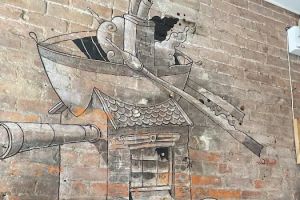
The Jolly Goat Coffee Bar / the jolly goat coffee bar
New YorkNew York CountyNew York
515 W 47th St, New York, NY 10036, USA
Key Factors Influencing Gradual Menu Price Changes
1. Ingredient Costs and Supply Chain Variability
A critical driver of restaurant pricing is the cost of ingredients. Fluctuations in the price of produce, meat, and dairy can alter the overall cost structure dramatically. Even for chains with significant purchasing power, sudden spikes in commodity prices are often absorbed incrementally to avoid shocking customers with steep menu increases. The data shows that restaurants prefer adjusting prices gradually, reflecting the subtle impacts of supply chain volatility.
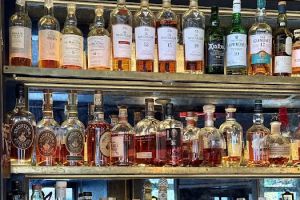
Jack & Charlie’s No. 118 / jack and charlie's nyc
New YorkNew York CountyNew York
118 Greenwich Ave, New York, NY 10011, USA
2. Labor Costs and Wage Inflation
Labor represents one of the largest components of restaurant operating costs. With minimum wage hikes and the growing trend of benefits for staff, restaurants face continuous pressure to maintain profitability. Gradual price increases help offset rising labor costs without discouraging customer visits. Additionally, many establishments invest in staff retention programs, which further adds to the operational expense but can improve service quality and customer satisfaction.
3. Rent, Utilities, and Fixed Overheads
Urban locations, in particular, are impacted by high rent and utility bills. A full-service restaurant in a metropolitan area may spend more on fixed overhead than on ingredients alone. Menu prices, therefore, reflect not only variable costs but also these ongoing fixed expenses, leading to cautious incremental adjustments.
4. Competitive Market Pressures
Restaurants must also consider competitor pricing. A sudden increase in menu prices risks driving loyal customers to nearby alternatives. The most searched restaurant profit margin data shows that price elasticity is a real concern; even minor increases can affect demand in a competitive landscape. Gradual adjustments help maintain market share while slowly improving margins.
Real-Life Case Studies: How Restaurants Manage Margins
Examining concrete examples sheds light on why menu prices rise slowly. Consider a local café in Austin, Texas, which sources organic ingredients. The owner noticed a 10% increase in dairy and coffee prices over a single quarter. Rather than raising menu prices sharply, the café implemented a series of 2% incremental increases over several months. This strategy preserved customer loyalty while gradually covering the new costs.
In contrast, a national burger chain in the U.S. follows a more calculated approach, using data analytics to model the effects of incremental price changes on different markets. By monitoring sales volumes, customer feedback, and regional cost differences, the chain can adjust menu prices subtly, sometimes introducing new items at slightly higher prices while keeping classic items stable.
These case studies illustrate that the combination of thin margins, operational costs, and consumer expectations creates an environment where slow, strategic price increases are not just practical—they are essential for sustainability.
Consumer Demand and Its Influence on Restaurant Pricing
1. Price Sensitivity and Dining Choices
Modern consumers are increasingly aware of pricing trends and often make dining choices based on perceived value. Surveys and analytics consistently show that sudden price hikes can lead to immediate shifts in customer behavior, particularly among price-sensitive demographics. Restaurants must balance profitability with customer retention, which explains why gradual price increases are preferred.
2. Menu Diversity and Value Perception
Offering diverse menu options allows restaurants to implement subtle pricing strategies. Premium items may carry higher margins and absorb cost increases, while standard items remain competitively priced. This dual approach maintains perceived value while improving overall profitability. The most searched restaurant profit margin data supports this approach, indicating that strategic menu design is as important as ingredient costs in controlling margins.
3. Seasonal and Regional Trends
Consumer demand fluctuates with seasonality and local events. For instance, a restaurant near a university may see higher traffic during the school year and lower demand in summer months. Menu pricing strategies account for these patterns, implementing minor adjustments that optimize revenue without deterring patrons during slower periods.
Balancing Quality and Profit: Strategic Restaurant Decisions
Restaurants face a dual mandate: maintaining high food quality and ensuring profitability. Cost-cutting measures that affect food quality risk customer satisfaction and long-term revenue. Therefore, most establishments prefer gradual menu price increases as a means to maintain quality while compensating for rising expenses.
For example, many restaurants negotiate bulk purchasing contracts with suppliers to stabilize costs, or they adjust portion sizes subtly rather than change the price dramatically. This allows them to preserve the dining experience while slowly improving margins.
Dine Droop provides detailed insights and recommendations for consumers and restaurateurs alike, highlighting options for menu optimization, cost management, and pricing strategies. Accessing these insights helps both sides make informed decisions in an evolving dining market.
Future Outlook: Why Menu Prices Will Continue Rising Gradually
Looking ahead to 2026 and beyond, several trends indicate that menu prices will continue their slow ascent. Rising labor costs, inflation in food commodities, and increased consumer expectations for high-quality, ethically sourced ingredients will continue to put pressure on restaurant margins. Technology-driven efficiency gains may offset some costs, but the overall pattern suggests steady, incremental price adjustments rather than sudden spikes.
Restaurants that succeed in this environment will be those that carefully monitor profit margin data, respond to changing costs, and maintain customer trust through transparent, value-oriented pricing. The most searched restaurant profit margin data underscores the need for a nuanced approach: profitability cannot be achieved through abrupt price changes without risking customer loyalty and long-term viability.
Ultimately, understanding the slow but deliberate rise in menu prices is a window into the complex economics of dining in the United States. It highlights how operational constraints, consumer behavior, and strategic planning converge to shape the experiences of millions of diners every day.
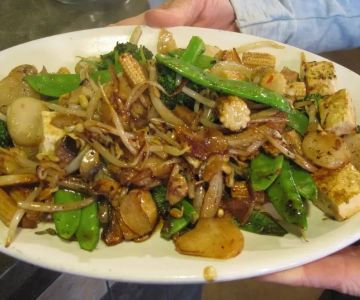


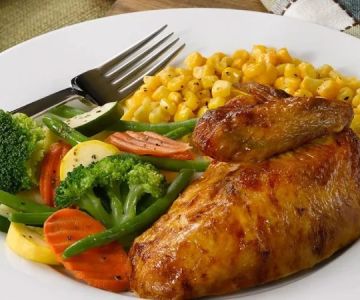
 Joanne’s Table4.0 (62 reviews)
 Cinico Coffee Company4.0 (408 reviews)
 Norcina4.0 (413 reviews)
 Hey Yogurt Palisades Park4.0 (78 reviews)
 Burger King3.0 (995 reviews)
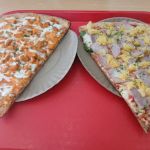 Dreamer's Pizza4.0 (260 reviews)
 Where to Find the Best Pumpkin Pie Near Me: A Sweet and Spiced Fall Dessert
 How Ice Cream Shops Are Using Seasonal Ingredients to Stand Out
 How to Find the Best Wine Pairings at Restaurants Near Me for Any Occasion
 Best Pizza with Gluten-Free Crust Near Me: A Delicious Slice Without the Gluten | Dine Droop
 The Rise of Plant-Based Dining and Its Impact on Fast Food
 How to Find the Best Fried Fish Near Me: A Delicious Twist on Classic Comfort Food