
- understanding-review-platforms-basics - How Restaurant Review Aggregators Actually Work
- reading-between-the-stars-analysis - How to Interpret Ratings and Reviews Properly
- comparing-yelp-tripadvisor-zagat - Strengths and Weaknesses of Each Platform
- real-dining-scenario-case-study - A Real Example of Choosing the Right Restaurant
- smart-dining-strategy-local-discovery - Building a Smarter Way to Find Great Food
How Restaurant Review Aggregators Shape Modern Dining Decisions
Finding a good place to eat used to rely heavily on word-of-mouth or random exploration. Today, platforms like Yelp, TripAdvisor, and Zagat have fundamentally changed how people discover restaurants. These restaurant review aggregators collect user-generated feedback, ratings, photos, and ranking data to help diners make informed decisions quickly.
But the challenge is not access to information—it is filtering it. A 4.5-star rating does not always guarantee a great experience, and a lower-rated restaurant might actually serve exceptional food depending on context. Understanding how these systems work is the first step in learning how to use restaurant review aggregators effectively.
Each platform uses slightly different methods to calculate ratings and display reviews, which is why the same restaurant may appear differently across apps. Recognizing these differences helps users avoid misleading impressions and choose restaurants more strategically.

How to Interpret Ratings Without Getting Misled
One of the biggest mistakes people make when using Yelp tips or TripAdvisor guide searches is focusing only on the star rating. While ratings provide a quick snapshot, they often hide deeper context.

For Five Coffee Times Square / for five coffee times square
New YorkNew York CountyNew York
117 W 46th St, New York, NY 10036, USA
Looking Beyond the Average Score
A restaurant with 4.2 stars and 2,000 reviews is often more reliable than one with 4.8 stars and only 30 reviews. Volume matters because it reflects consistency over time. A large sample size smooths out extreme opinions.
Reading Review Patterns Instead of Single Opinions
Instead of focusing on one extreme review—positive or negative—it is more effective to identify repeated themes. If multiple reviewers mention slow service or outstanding seafood quality, those patterns are far more meaningful than isolated comments.
Photo Analysis as a Hidden Clue
User-uploaded photos often reveal more truth than written reviews. Lighting, portion sizes, and plating consistency can help you evaluate whether a restaurant matches your expectations.
Learning to interpret data this way turns casual browsing into a strategic decision-making process rather than guesswork.
Comparing Yelp, TripAdvisor, and Zagat in Real Usage
Each platform has strengths that serve different dining needs. Understanding these differences helps users maximize results when searching for the best places to eat near me.
Yelp: Best for Local Everyday Discovery
Yelp excels in local restaurant discovery, especially in urban areas. It includes real-time updates, detailed user reviews, and strong filtering tools. Many users rely on Yelp tips when deciding where to eat spontaneously.
TripAdvisor: Strong for Travel Dining Decisions
TripAdvisor is particularly useful for travelers. It aggregates global reviews and often includes restaurant rankings tied to tourist experiences, making it ideal when exploring unfamiliar cities.
Zagat: Curated and Editorially Influenced Insights
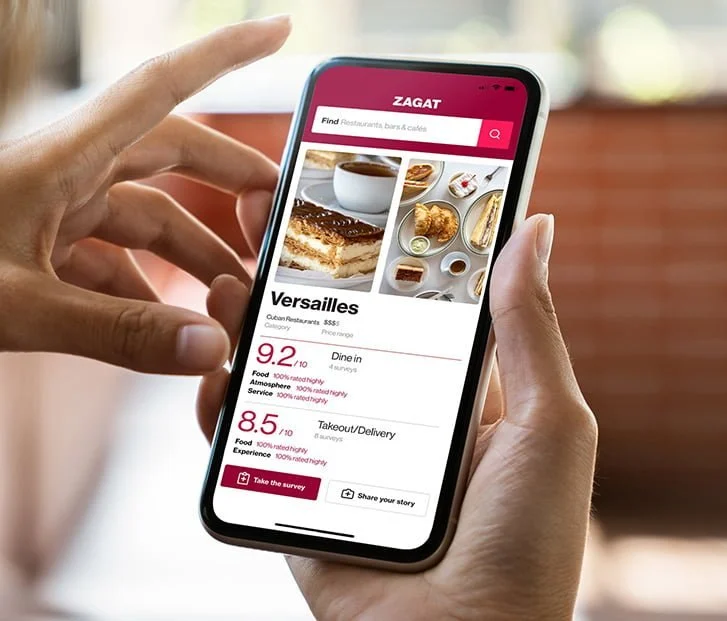
Zagat offers a more curated approach with a focus on professional-style summaries and structured scoring. While less user-heavy than Yelp, it provides refined insights that can help narrow down high-quality dining options.
Using all three platforms together creates a more balanced view than relying on just one source.
A Real Dining Scenario: Choosing Between Three Highly Rated Restaurants
A common real-world situation involves deciding between multiple highly rated restaurants in the same neighborhood. For example, a group in Austin, Texas once tried to choose between three seafood restaurants with nearly identical ratings on Yelp and TripAdvisor.
At first glance, all three looked equally appealing. However, deeper analysis revealed key differences: one restaurant had consistently praised freshness but frequent service delays, another had mixed food reviews but excellent ambiance, and the third had slightly lower ratings but overwhelmingly positive feedback about consistency.
The group ultimately chose the third option and had an unexpectedly excellent experience. This outcome highlights a critical insight: aggregated ratings alone are not enough. Contextual reading is essential.
This type of decision-making is exactly where platforms like Dine Droop can help by organizing curated dining insights and simplifying comparisons across multiple sources.
Building a Smarter Strategy for Finding Great Food Nearby
Once you understand how review platforms work, the next step is developing a consistent strategy for using them effectively. This prevents decision fatigue and improves dining satisfaction.
Start With Filters, Not Search Bars
Instead of typing random restaurant names, begin with filters such as cuisine type, distance, and price range. This narrows down options to relevant choices before reading reviews.
Cross-Check Across Multiple Platforms
Never rely on a single source. Comparing Yelp, TripAdvisor, and Zagat ensures that you are seeing both crowd-driven and curated perspectives.
Focus on Recent Reviews
Restaurant quality changes over time due to management shifts, staffing, or menu updates. Reviews from the last 3–6 months are often more accurate than older feedback.
Pay Attention to Reviewer Profiles
Some reviewers consistently provide detailed and balanced feedback. These users are more reliable than one-time reviewers who may have extreme opinions.
Over time, developing this analytical approach turns casual dining decisions into confident, predictable outcomes.
How Local Context Changes Restaurant Rankings
An often-overlooked factor in restaurant review aggregators is geography. A “best-rated” restaurant in one city may not perform the same in another due to local taste preferences, ingredient availability, or cultural expectations.
For example, spicy food ratings in Los Angeles may differ significantly from those in Midwest cities. Understanding local context helps avoid misinterpreting ratings that are heavily influenced by regional preferences.
This is why experienced diners often combine digital reviews with personal exploration to build a more accurate food discovery system.
Turning Review Data Into Better Dining Experiences
The ultimate goal of using Yelp, TripAdvisor, and Zagat is not just finding a restaurant—it is improving the overall dining experience. When used correctly, these platforms become decision-support tools rather than simple rating systems.
By analyzing patterns, cross-checking platforms, and understanding context, users can consistently identify restaurants that match their expectations. This transforms dining from guesswork into a structured and enjoyable process.
As food discovery continues to evolve, tools like Dine Droop help simplify the overwhelming amount of information available and guide users toward smarter, more satisfying choices.






 La Jefas Kosina4.0 (7 reviews)
 Pusu 璞素4.0 (445 reviews)
 Carmen’s Deli4.0 (244 reviews)
 Greek Town Gyros4.0 (505 reviews)
 Soul City4.0 (265 reviews)
 Taco Bell3.0 (347 reviews)
 Best Sushi Rolls with Eel Near Me: A Sweet and Savory Japanese Treat
 How Wine Bars Are Becoming Popular for Casual and Professional Meetings
 Best Ethnic Restaurants Near Me: A Guide to Exploring Global Cuisines in Your City
 The Rise of Breakfast Restaurants Offering Unique Global Dishes
 Where to Find the Best Mushroom Risotto Near Me
 Discover Coffee Shops with Specialty Roasts Paired with Seasonal Pastries