
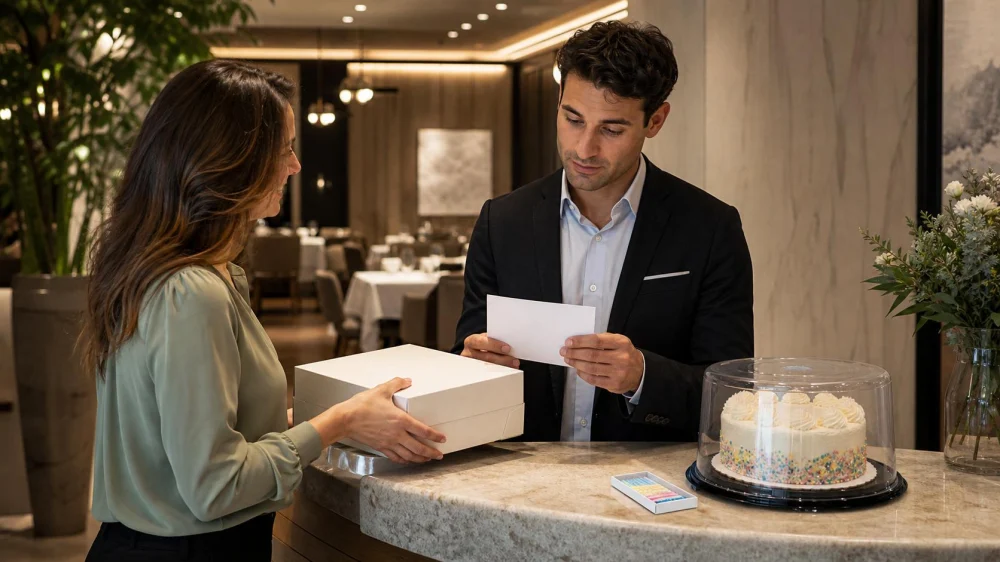
Restaurant Birthday Cake Policy: Ask Before Bringing Dessert
Bringing a birthday cake to a restaurant can affect food-safety controls, allergen handling, refrigerator space, service timing, plates, cleanup, and the restaurant’s dessert sales. A quick call before booking prevents a celebration from arriving with a cake the restaurant cannot accept, store, cut, or serve.
Quick answer
Ask the restaurant before bringing any cake. Confirm whether outside dessert is allowed, what source documentation is required, whether refrigeration is available, which ingredients or decorations are prohibited, the cake-cutting fee, plate and utensil service, candle rules, delivery time, and leftover handling. Communicate food allergies directly, but do not assume an outside cake can be made or served without cross-contact. Keep perishable cake temperature-controlled and obtain written confirmation of the arrangement.

Joe Allen / joe allen restaurant new york
New YorkNew York CountyNew York
326 W 46th St, New York, NY 10036, USA
Confirm the outside-food policy
Call the restaurant rather than relying only on a booking note or an old online review. Policies can vary by location, event type, local health rules, kitchen capacity, and whether the restaurant has an in-house pastry program.
Ask whether the cake must come from a licensed commercial bakery and arrive in its original closed box with an ingredient label or receipt. Some restaurants do not accept homemade food; others may allow a sealed cake but cannot refrigerate or cut it.
Record the staff member’s name, date, and exact approval. Add the arrangement to the reservation and reconfirm shortly before the event, especially for a large party or private room.
Benito One / benito one restaurant
New YorkNew York CountyNew York
174 Mulberry St, New York, NY 10013, USA
Describe the cake accurately
Give the size, shape, number of tiers, serving count, frosting type, filling, decorations, and whether it needs refrigeration or freezing. Tall, fragile, ice-cream, whipped-cream, custard-filled, mousse, or fresh-fruit cakes need more space and temperature control than a small shelf-stable cake.
Ask about structural items such as dowels, boards, hidden supports, toothpicks, skewers, wires, edible-image backings, and decorative toppers. The person cutting the cake must know what is not edible.
Avoid glitter, sparklers, alcohol-soaked elements, smoke effects, or loose decorations unless the restaurant explicitly approves them. “Food safe” packaging does not mean a decoration is permitted near flame or in that venue.
Discuss allergens and cross-contact
Provide the bakery’s complete current ingredient and allergen information. Common cake ingredients include wheat, milk, eggs, soy, peanuts, tree nuts, and sesame, but fillings, decorations, flavor extracts, and shared equipment can add others.
An outside cake passes through transport, restaurant storage, cutting tools, plates, and service surfaces. The restaurant may not be able to guarantee separation from allergens, and it may refuse to handle a product without adequate labeling.
Guests with food allergies should not rely on appearance or a host’s memory. They should review reliable source information and follow their medical plan. A separately packaged alternative may still need approval and safe handling.
Transport and hand off safely
Use a clean, rigid box on a flat vehicle surface. Keep it away from pets, cleaning supplies, luggage, and direct sun. Do not carry a cake on a passenger’s lap or place it on a sloped seat.
Follow the bakery’s temperature instructions. Perishable fillings and frostings require prompt refrigeration; an insulated carrier can help but does not make an extended errand safe. Travel directly and never leave the cake in a parked vehicle.
At the restaurant, hand the cake to the assigned staff member. Confirm the reservation name, table, storage requirement, non-edible supports, and planned service time. Do not enter staff-only food areas or place the box on an unapproved surface.
Plan timing, candles, and service
Agree on when staff should bring the cake—after entrées, with coffee, or at another cue. Tell the server whether the event is a surprise without requiring risky darkness, blocked aisles, or staff distraction.
Ask whether candles are allowed and how many. Fire code, ventilation, table spacing, smoke detectors, age, and venue policy can limit open flames. Use plain standard candles if approved; do not bring indoor fireworks or sparklers.
Confirm who removes toppers and supports, who cuts, how slices are portioned, and whether the restaurant supplies plates, forks, a knife, serving utensil, and takeaway boxes. Never hand an unapproved knife to a guest or child.
Confirm fees and alternatives
A cake-cutting or outside-dessert fee may be per person, per cake, or a flat charge. Ask whether tax or gratuity applies and whether the fee includes storage, cutting, plating, garnishes, plates, utensils, cleanup, or leftover packing.
Compare the total with ordering the restaurant’s dessert, a whole house cake, cupcakes, a plated dessert with a candle, or a small ceremonial cake plus in-house portions. An in-house choice may simplify allergens and service, but still confirm details.
Put the chosen arrangement in the event estimate or reservation confirmation. Do not ask staff to waive a disclosed fee after the cake is served.
Handle leftover cake
Ask in advance whether staff can box leftovers and whether you must supply containers. Keep bakery labels with the remaining cake and divide it so guests can transport it level.
Perishable cake should return to refrigeration promptly. The U.S. Department of Agriculture’s general rule is to refrigerate perishable food within two hours, or within one hour when the surrounding temperature is above 90°F. Time spent at the bakery, in transport, on display, and on the table all counts.
Do not donate or leave unapproved leftovers for staff. Discard cake that has exceeded safe time limits, was contaminated, or has unknown storage history.
Frequently asked questions
Can a restaurant refuse a homemade cake?
Yes. Food-safety rules and restaurant policy may require a commercial source or prohibit outside food entirely.
Does a cake-cutting fee include gratuity?
Not necessarily. Ask what the fee covers and review the final bill.
Can I bring candles?
Only with restaurant approval. Open-flame and fire-safety rules vary.
Will the restaurant guarantee an allergen-free service?
Do not assume it can. Discuss the cake source, storage, tools, surfaces, and individual medical plan.
Next steps
Before ordering a cake, call the restaurant with the date, party size, cake details, allergen needs, storage requirement, and desired service time. Confirm the fee and candle rule in writing, keep the bakery label, and assign one person to deliver and retrieve the cake safely.





 El Sabor Azogueno Bakery & Restaurant .4.0 (309 reviews)
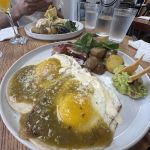 La Pausa Coffee Brunch & lunch4.0 (95 reviews)
 Ardsley Diner4.0 (608 reviews)
 Sasawi5.0 (8 reviews)
 Wing It On!4.0 (265 reviews)
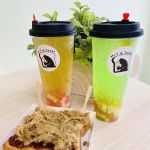 Mr. T&Toast5.0 (53 reviews)
 What to Look for in the Best Pizza Restaurant Near Me: A Slice Above the Rest
 Where to Find the Best Grilled Cheese Near Me: A Comfort Food Classic Done Right
 A Complete Guide to Finding Laotian Restaurants Near Me Serving Larb Papaya Salad and Khao Poon
 How Breakfast Restaurants Are Reinventing Morning Menus
 How Seafood Restaurants Are Incorporating Sustainable Practices
 Top Dessert Shops Worth Traveling For: Sweet Spots Around the World