
Takeout Soup Transport: Seal, Separate, Chill, or Serve Promptly
On this page
Quick answer
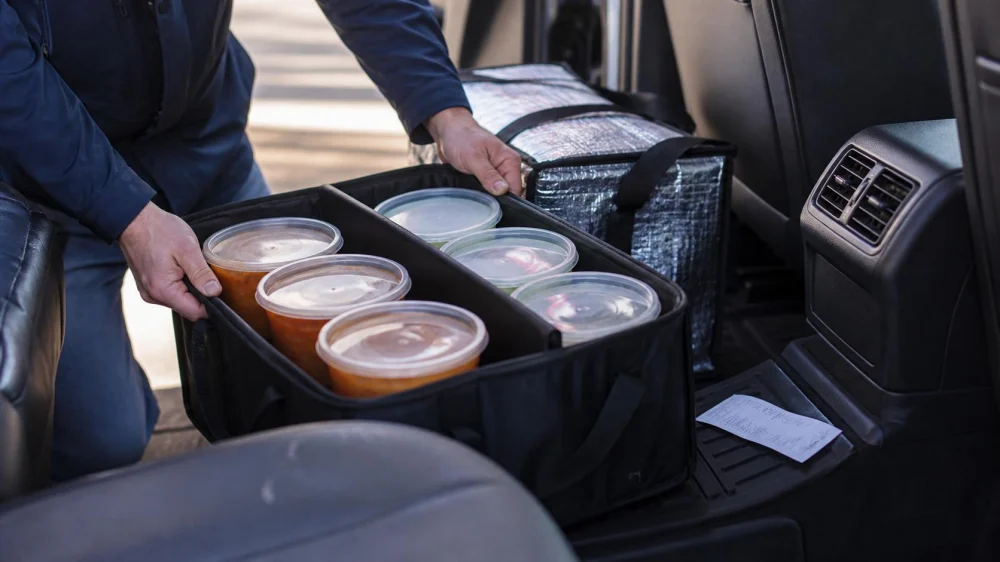
At pickup, confirm the soup container is designed for hot liquid, fully sealed, upright, and not overfilled. Keep cold soup cold and hot soup hot for the shortest practical trip; separate it from chilled sides and desserts. Place containers in a divided carrier on the vehicle floor, not on a seat or lap. Refrigerate promptly when not eating and reheat only by food-safe instructions until properly hot throughout.
Why it matters
Soup combines spill and temperature risks. Thin broth can leak through weak lids, steam can loosen closures, and a long lukewarm trip supports bacterial growth while damaging other food.
This United States guide is general. Recipe, dairy, seafood, meat, container material, pickup temperature, travel time, weather, local guidance, and consumer risk vary. Follow restaurant and food-safety instructions.
Practical checklist
- Check lid fit, vent, cracks, fill level, and container heat rating.
- Request a second barrier bag and divided upright carrier.
- Keep bread and crunchy toppings dry and separate.
- Separate hot soup from salads, dairy desserts, and cold drinks.
- Record pickup time and travel directly without errands.
- Keep containers off seats, laps, and child-access areas.
- Refrigerate promptly or serve without unnecessary delay.
Step-by-step plan
- Ask whether the soup is intended to be eaten hot or chilled and obtain reheating or storage guidance.
- Wipe the exterior so a leak can be detected before leaving.
- Place each sealed container upright in a snug compartment with absorbent material outside the food container.
- Use insulated carriers suited to hot or cold food, not one mixed bag.
- At destination, inspect seals and discard food affected by an unknown leak or unsafe storage history.
- Cool and refrigerate leftovers promptly in suitable shallow portions when needed.
- Reheat gently with stirring and temperature checks according to safe guidance, avoiding sealed-container pressure.
Keep pickup and arrival times, soup type, hot or cold state, container condition, travel conditions, refrigeration time, reheating method, and any leak or complaint.
Limits and warning signs
Insulation slows temperature change but does not make food safe indefinitely. Smell and taste cannot confirm safety. Microwave-safe does not mean safe to heat while fully sealed.
Seek medical advice for severe or persistent foodborne-illness symptoms, dehydration, blood in stool, neurologic symptoms, or illness in a high-risk person. Use emergency help for severe reactions or burns.
Frequently asked questions
Can soup ride on the car seat?
No. A seat is unstable and sloped; use a secured divided carrier on the floor.
Should I vent the lid during travel?
Follow the container and restaurant design; opening can cause spills and contamination.
Can hot and cold items share an insulated bag?
Avoid it. Separate them so each stays in its intended temperature range.
Can I reheat in the takeout cup?
Only if the container is approved for that method, with the lid handled as instructed.
Sources and evidence
The guide applies takeout temperature and transport safety: use liquid-rated sealed containers, keep them upright, separate hot and cold foods, minimize travel time, refrigerate promptly, and reheat with approved methods.
Conclusion and next steps
Check every lid before leaving, place soup upright in a divided floor carrier, and travel directly. Serve promptly or refrigerate, then reheat only in a suitable container with safe instructions.


 URGUT CITY4.0 (52 reviews)
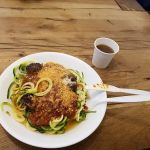 Springbone Kitchen4.0 (482 reviews)
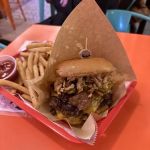 Lacey Burger4.0 (64 reviews)
 Subway3.0 (130 reviews)
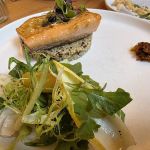 Norimen4.0 (46 reviews)
 The Buren4.0 (357 reviews)
 Discovering Pizza Restaurants That Feature International Toppings and Styles
 Discovering Ice Cream Shops That Combine International Flavors and Local Ingredients
 Best Seafood Restaurants Near Me: Where to Get the Freshest Catch
 Exploring Dessert Shops That Offer Artisan Treats With Unique Flavor Profiles
 How Sushi Restaurants Are Offering Creative Rolls Beyond Traditional Recipes
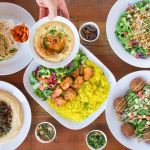 How Mediterranean Restaurants Are Promoting Balanced and Flavorful Menus