

Why More Restaurants Are Implementing Allergen Safety Protocols as Food Allergy Dining Laws Expand Across Six States
- allergen-safety-shift - how restaurants are changing operations due to new laws
- six-state-regulations - what new food allergy dining laws require from restaurants
- cross-contamination-control - preventing hidden allergen risks in kitchens
- staff-training-standards - how employee education is becoming mandatory in practice
- customer-trust-impact - why transparency now drives restaurant reputation
1. The New Reality of Dining Safety Regulations in the US
Over the past few years, the US restaurant industry has quietly entered a new phase of accountability. With six states now enforcing or developing food allergy dining laws, restaurants are no longer treating allergen awareness as optional training—it has become a core operational requirement tied to legal compliance and customer safety expectations.
These regulations are designed to reduce life-threatening incidents caused by hidden ingredients, especially for diners with severe allergies to peanuts, shellfish, dairy, gluten, and soy. What once depended on a server’s memory or kitchen intuition is now shifting toward structured restaurant food safety compliance systems.
In cities like Boston and New York, early adopters of strict labeling policies have already shown that transparency doesn’t slow down business—it builds long-term trust and repeat customers.

2. Why Allergen Safety Protocols Are Becoming Standard Practice
The growing adoption of allergen safety protocols is not only a response to legal pressure but also to consumer demand. Modern diners are more informed, more cautious, and more likely to research menus before entering a restaurant.
A significant driver behind this shift is the rise in reported allergic reactions in casual dining settings. Even minor cross-contact—such as using the same cutting board for bread and allergen-free meals—can trigger severe reactions. This has forced restaurants to rethink kitchen workflows from the ground up.
A restaurant manager in Chicago recently shared a case where a customer experienced an allergic reaction despite ordering a “safe” dish. The investigation revealed improper utensil separation during prep. After implementing strict cross contamination prevention measures, the restaurant saw zero incidents in the following year and improved online ratings due to increased transparency.
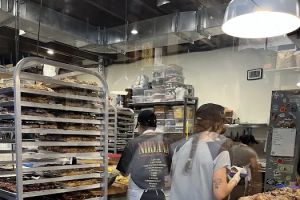
3. Inside the Kitchen: How Cross-Contamination Is Being Controlled
One of the most critical aspects of modern food safety is controlling cross-contact. Kitchens are now redesigning processes to separate allergen-containing ingredients from allergen-free zones.
3.1 Dedicated Preparation Zones
Many restaurants now designate specific areas for allergen-free meal preparation. This reduces the risk of accidental exposure and supports standardized restaurant safety regulations US compliance.
3.2 Color-Coded Equipment Systems
Knives, cutting boards, and containers are often color-coded to prevent misuse. This simple system has proven highly effective in preventing contamination errors during busy service hours.
3.3 Ingredient Verification Logs
Some establishments now maintain digital logs that track every ingredient entering the kitchen, ensuring allergen traceability from supplier to plate.
4. Staff Training: The Human Factor in Food Safety
Even the best systems fail without properly trained staff. That is why allergen training in restaurants is becoming a mandatory part of onboarding programs.
Training typically includes recognizing major allergens, understanding hidden ingredient sources, and learning how to communicate effectively with customers who have dietary restrictions. Servers are taught not to guess—only to verify with kitchen staff when uncertain.
A well-known example comes from a restaurant group in California that reduced allergy-related complaints by over 80% after implementing monthly retraining sessions. Staff reported feeling more confident, and customers noticed the difference in communication quality.
5. How Menu Labeling Is Changing Customer Behavior
Clear allergen labeling on menus is becoming a key differentiator. Restaurants that clearly indicate potential allergens are seeing higher customer trust and improved repeat visits.
Some establishments now use icons or structured menus that highlight allergen-free options. This reduces decision anxiety for customers and speeds up ordering time during peak hours.
In states where food allergy dining laws require disclosure, compliance has also reduced liability risks and legal disputes.
For example, a fast-casual chain in Texas reported that after introducing detailed allergen labels, customer inquiries about ingredients dropped by nearly 40%, allowing staff to focus more on service quality rather than constant explanations.
6. Real-World Pressure: Why Laws Are Expanding Across States
The expansion of food allergy regulations is largely driven by rising public awareness and several high-profile incidents that highlighted gaps in restaurant safety systems. Advocacy groups have pushed for standardized rules that protect vulnerable diners.
As a result, six states have already introduced or strengthened legislation requiring clearer allergen disclosure and staff readiness protocols. These changes are expected to influence national standards over time.
This regulatory movement is not just about compliance—it reflects a broader cultural shift toward transparency in food preparation and consumer rights.
7. Operational Challenges Restaurants Are Facing
While the benefits of allergen safety are clear, implementation is not without challenges. Smaller restaurants often struggle with training costs, kitchen redesigns, and supply chain transparency.
7.1 Cost of Implementation
Upgrading equipment and training staff can be expensive, especially for independent restaurants. However, many owners see it as a long-term investment in risk reduction.
7.2 Complexity of Ingredient Tracking
Hidden allergens in sauces, marinades, and pre-packaged ingredients make compliance more complex than it appears on the surface.
7.3 Consistency Across Staff Shifts
Maintaining consistent adherence to protocols during peak hours remains one of the biggest operational challenges.
8. How Technology Is Supporting Allergen Safety
Digital tools are now playing a major role in improving restaurant food safety compliance. Many modern POS systems integrate allergen alerts that flag risky combinations during ordering.
Some restaurants also use tablet-based kitchen displays that highlight allergen-sensitive orders in real time, reducing human error during busy service periods.
A growing number of chains are investing in AI-driven inventory systems that automatically detect allergen risks based on ingredient databases.
9. Customer Expectations Are Driving the Future of Dining
Today’s diners expect more than good food—they expect safety, transparency, and accountability. Restaurants that fail to adapt risk losing customers to competitors who prioritize allergen awareness.
One restaurant consultant described it best: “In the past, allergen safety was a courtesy. Now it is part of the dining experience itself.”
Platforms like Dine Droop are helping customers discover restaurants that prioritize allergen transparency and safe dining environments, making it easier for individuals with dietary restrictions to choose confidently.
10. The Direction the Industry Is Heading
As regulations expand and consumer expectations rise, allergen safety is becoming a defining standard in the restaurant industry. What started as a compliance requirement is evolving into a competitive advantage.
Restaurants that invest early in training, kitchen design, and transparency systems are not only reducing risk—they are building stronger brand loyalty and long-term trust.
The shift toward structured allergen management is no longer optional. It represents a fundamental change in how food service operates across the United States.



 La Jefas Kosina4.0 (7 reviews)
 Pusu 璞素4.0 (445 reviews)
 Carmen’s Deli4.0 (244 reviews)
 Greek Town Gyros4.0 (505 reviews)
 Soul City4.0 (265 reviews)
 Taco Bell3.0 (347 reviews)
 Best Sushi Rolls with Eel Near Me: A Sweet and Savory Japanese Treat
 How Wine Bars Are Becoming Popular for Casual and Professional Meetings
 Best Ethnic Restaurants Near Me: A Guide to Exploring Global Cuisines in Your City
 The Rise of Breakfast Restaurants Offering Unique Global Dishes
 Where to Find the Best Mushroom Risotto Near Me
 Discover Coffee Shops with Specialty Roasts Paired with Seasonal Pastries