
- 1. Introduction: The Shift in Dining Preferences
- 2. Menu Innovations Catering to Health-Conscious Customers
- 3. Evolving Customer Expectations and Preferences
- 4. Case Studies: Successful Adaptations in the Industry
- 5. Future Trends: What's Next for Fast Casual Dining?
1. Introduction: The Shift in Dining Preferences
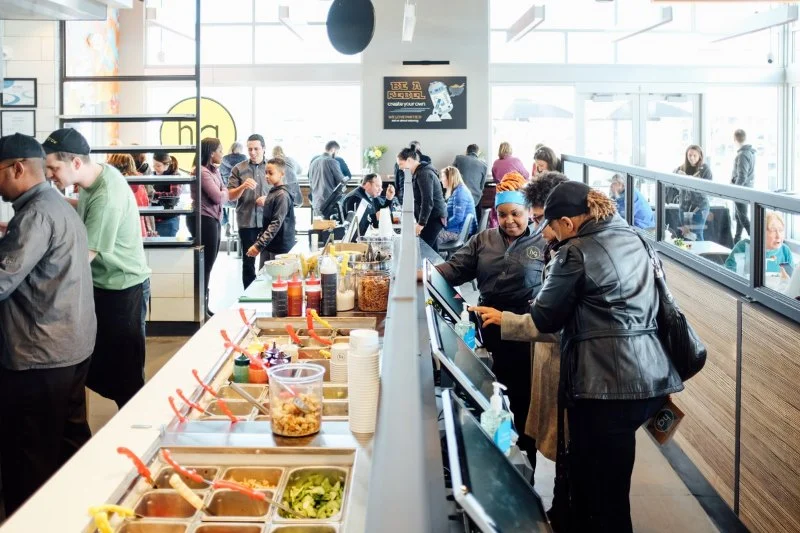
Over the past decade, consumer preferences in dining have evolved significantly, particularly in fast casual restaurants. As more people become health-conscious, the demand for healthier food options has surged. Customers are no longer satisfied with just fast and convenient meals – they are seeking nutritious and balanced choices that fit into their healthy lifestyle. This shift has forced fast casual restaurants to adapt and innovate in order to stay relevant and meet the needs of their customers. In this article, we’ll explore how fast casual restaurants are responding to this change and what it means for the future of the industry.

Nita's European Bakery / nita bakery queens
40-10 Greenpoint Ave, Sunnyside, NY 11104, USA
2. Menu Innovations Catering to Health-Conscious Customers
Fast casual restaurants have long been known for their quick service and customizable menu options. However, in response to the growing demand for healthier meals, many are revamping their menus to include fresh, organic, and nutrient-rich choices. Here are some of the innovations being seen across the industry:
- Plant-Based Offerings: As plant-based diets become more popular, many fast casual chains are introducing vegan and vegetarian options, such as plant-based burgers, grain bowls, and dairy-free smoothies.
- Lower-Calorie Meals: Many restaurants are offering lighter, lower-calorie versions of traditional comfort foods. For example, swapping fried foods for grilled or roasted alternatives is becoming more common.
- Locally Sourced Ingredients: Sourcing fresh, local produce not only improves the quality of dishes but also supports sustainability and appeals to health-conscious customers who care about where their food comes from.
- Whole Grains and Gluten-Free Options: With growing awareness of gluten sensitivities and the health benefits of whole grains, more fast casual restaurants are including gluten-free and whole-grain options on their menus, such as quinoa, brown rice, and gluten-free pasta.
3. Evolving Customer Expectations and Preferences
Today’s customers expect more than just quick and tasty meals – they are looking for food that supports their well-being. Here’s how the expectations of health-conscious diners have evolved:
- Transparency: Customers want to know what’s in their food. Many fast casual restaurants are now providing detailed nutritional information and sourcing details, allowing customers to make informed decisions.
- Customizability: Health-conscious diners prefer the option to customize their meals to suit their dietary needs. This includes offering options for vegetarian, vegan, low-carb, and keto-friendly dishes.
- Focus on Freshness: With the rise of health-conscious eating, there’s an increased demand for fresh, minimally processed ingredients. Fast casual restaurants are responding by offering dishes that are freshly made with whole, nutrient-dense ingredients.
4. Case Studies: Successful Adaptations in the Industry
Several fast casual chains have successfully adapted to the health-conscious demand by embracing innovation and offering healthier menu choices. Let’s take a look at some real-life examples:
- Chipotle: Chipotle has embraced the trend towards healthier eating by offering a variety of fresh, whole-food options, such as their “Lifestyle Bowls” tailored to specific diets like keto, paleo, and vegan. They’ve also prioritized sourcing responsibly and using hormone-free meats.
- Sweetgreen: Sweetgreen is a fast casual restaurant that has built its brand around healthy, customizable salads made with locally sourced ingredients. They focus on fresh, seasonal produce and offer a wide range of vegetarian and vegan options.
- Panera Bread: Panera has introduced a variety of healthy options, including their “Hidden Veggie” menu and soups made with high-quality, organic ingredients. They also focus on transparency, offering clear nutritional information on their website and in-store.
5. Future Trends: What’s Next for Fast Casual Dining?
As health-conscious dining continues to shape the fast casual restaurant industry, several trends are expected to dominate in the near future:
- Increased Focus on Sustainability: Sustainability is becoming increasingly important to diners, with many looking for restaurants that prioritize eco-friendly practices, such as composting, using biodegradable packaging, and sourcing locally.
- Functional Foods: The rise of functional foods – those that offer health benefits beyond basic nutrition – is expected to continue. This could include foods with added probiotics, adaptogens, and other ingredients that support mental and physical well-being.
- Enhanced Digital Experiences: With the ongoing popularity of digital ordering and delivery, fast casual restaurants will continue to enhance their online presence and improve their digital menus to cater to busy, on-the-go customers.
In conclusion, fast casual restaurants are evolving to meet the growing demand for healthier dining options. By embracing innovative menu items, focusing on customer preferences, and offering more transparency, these establishments are setting themselves up for success in an increasingly health-conscious market. If you’re looking for more information on dining trends and healthy meal options, check out Dine Droop for helpful resources and recommendations.




 Subway4.0 (301 reviews)
 iTaste Express4.0 (68 reviews)
 Rockland Bakery5.0 (2 reviews)
 Los maguellitos Llc3.0 (12 reviews)
 Romanacci - Madison Ave4.0 (527 reviews)
 Moe's Southwest Grill4.0 (669 reviews)
 Exploring Middle Eastern Restaurants That Offer Interactive Dining Experiences
 How Middle Eastern Restaurants Are Attracting International Audiences | Global Cuisine Trends
 Best Fine Dining Restaurants Near Me: Where to Experience Luxury Dining
 The Best Italian Restaurants for Authentic Pasta and Pizza
 Discovering Middle Eastern Restaurants That Merge Traditional and Modern Flavors
 How Breakfast Restaurants Are Elevating Everyday Dishes With Unique Ingredients