
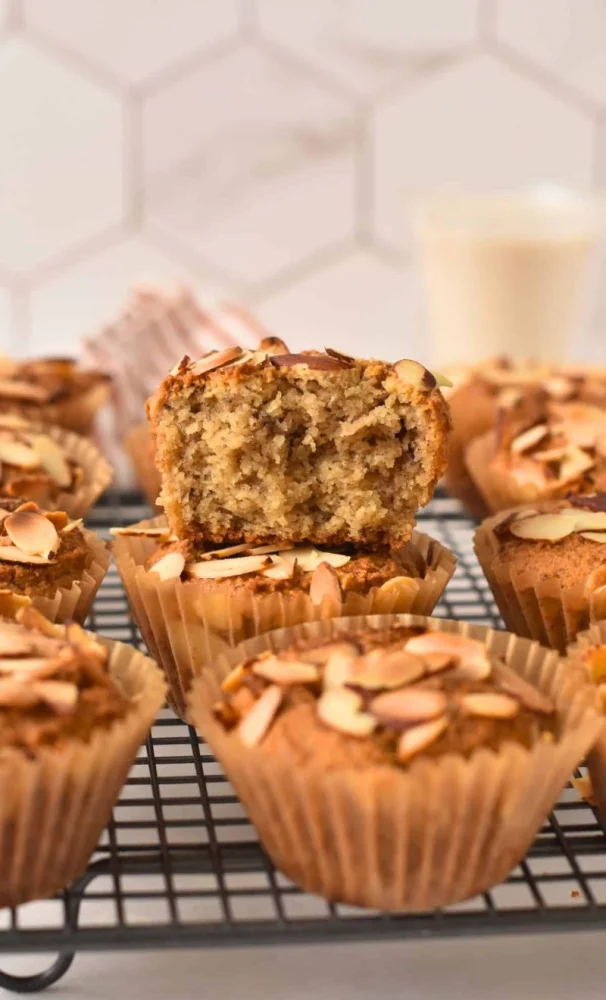
- Why Gluten-Free Muffin Search Has Become So Common
- Understanding Almond and Coconut Flour in Baking
- How to Locate Restaurants Near Me That Offer Gluten Free Muffins
- What to Expect From Gluten-Free Bakeries and Cafés
- Real Stories From Gluten-Free Eaters in the US
- Health Benefits and Dietary Reasons Behind Almond and Coconut Flour Muffins
- Hidden Challenges When Searching for Gluten-Free Options Nearby
- How to Avoid Cross-Contamination in Restaurants
- Smart Ordering Strategies for Gluten-Free Customers
- How Dine Droop Helps Locate Specialty Bakeries
- Future of Gluten-Free Baking in Mainstream Restaurants
Why Gluten-Free Muffin Search Has Become So Common
In recent years, the phrase “gluten free muffins near me” has become one of the most frequently searched food-related queries across the United States.
This shift is not just a trend—it reflects a broader change in how people think about health, digestion, and ingredient transparency.
Many individuals now actively look for restaurants near them that offer gluten free muffins made with almond or coconut flour, especially as awareness of gluten sensitivity and dietary wellness continues to grow.
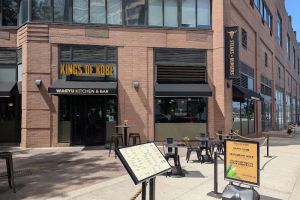
Kings of Kobe - Wagyu Kitchen & Bar / kings of kobe wagyu kitchen & bar
New YorkNew York CountyNew York
650 W 42nd St, New York, NY 10036, USA
Why Muffins Specifically?
Muffins sit at the intersection of comfort food and breakfast convenience. They are:
- Easy to grab on the go
- Common in cafés and bakeries
- Often customizable with healthier ingredients
When gluten-free versions are available, they become an accessible indulgence for people avoiding wheat-based products.

Anita La Mamma del Gelato / anita's gelato
New YorkNew York CountyNew York
207 W 45th St, New York, NY 10036, USA
A Personal-Style Observation
Many people report that switching to gluten-free baked goods initially feels limiting, but discovering almond or coconut flour muffins changes their perspective entirely.
The texture, flavor depth, and nutritional profile often surprise first-time customers in a positive way.
Understanding Almond and Coconut Flour in Baking
Before locating restaurants offering these muffins, it helps to understand what makes almond and coconut flour so popular in gluten-free baking.
Almond Flour Characteristics
Almond flour is made from finely ground almonds and is widely used in gluten-free baking for its:
- Rich, slightly nutty flavor
- High protein content
- Moist texture in baked goods
It tends to produce dense, satisfying muffins that feel more filling than traditional wheat-based versions.
Coconut Flour Characteristics
Coconut flour is made from dried coconut meat and is known for:
- High fiber content
- Light coconut aroma
- Strong liquid absorption (requires careful recipe balancing)
Muffins made with coconut flour are often lighter but require precise preparation.
Why Restaurants Use These Alternatives
Restaurants and bakeries use almond and coconut flour because they:
- Support gluten-free diets
- Attract health-conscious customers
- Offer unique flavor profiles compared to traditional flour
How to Locate Restaurants Near Me That Offer Gluten Free Muffins
Finding reliable gluten-free options requires more than a simple search. Many restaurants list gluten-free items, but not all specialize in safe preparation.
Step 1: Use Targeted Search Queries
Instead of generic searches, use specific phrases like:
- gluten free muffins almond flour near me
- coconut flour bakery nearby
- keto gluten free muffins café
This helps narrow down results to specialty bakeries rather than general restaurants.
Step 2: Look for Dedicated Gluten-Free Menus
Restaurants with dedicated gluten-free menus are more reliable because they often:
- Separate preparation areas
- Use certified gluten-free ingredients
- Train staff on dietary restrictions
Step 3: Check Customer Reviews Carefully
Reviews often reveal more than official menus. Look for mentions of:
- Cross-contamination safety
- Freshness of gluten-free baked goods
- Consistency in availability
Step 4: Use Specialized Food Platforms
Platforms like Dine Droop can help users quickly identify restaurants near them that offer gluten-free muffins and other specialty baked goods.
These tools often filter based on dietary preferences and ingredient safety standards.
What to Expect From Gluten-Free Bakeries and Cafés
Smaller but More Specialized Menus
Gluten-free bakeries often focus on quality over quantity.
You may see fewer items, but each product is carefully designed for dietary safety.
Higher Ingredient Transparency
These establishments are typically more open about ingredients, especially when using almond or coconut flour.
Different Texture Experience
Gluten-free muffins often have:
- Denser texture
- Moist crumb
- Nutty or tropical undertones depending on flour type
A Real Café Experience Example
A small bakery in a suburban U.S. neighborhood gained popularity after introducing coconut flour blueberry muffins. Customers initially skeptical later praised the texture and flavor as “surprisingly satisfying.”
Real Stories From Gluten-Free Eaters in the US
Story of a Busy Professional
A working professional in New York shared how finding gluten-free muffins near their office transformed their breakfast routine.
Instead of skipping breakfast, they now rely on almond flour muffins from a nearby café.
Family Dietary Adjustment
A family with a child diagnosed with gluten sensitivity began exploring coconut flour baked goods as safer alternatives.
They discovered that local restaurants often had more options than expected once they asked directly.
Fitness-Oriented Lifestyle Shift
Some gym-goers choose almond flour muffins for their higher protein content and lower carbohydrate load.
Health Benefits and Dietary Reasons Behind Almond and Coconut Flour Muffins
Gluten Sensitivity Management
These muffins provide safe alternatives for individuals with gluten intolerance or celiac-related concerns.
Nutritional Advantages
Almond flour contributes healthy fats and protein, while coconut flour adds fiber.
Lower Glycemic Impact
Compared to traditional flour, these alternatives may have a reduced impact on blood sugar levels.
Balanced Indulgence
They allow people to enjoy baked goods while maintaining dietary goals.
Hidden Challenges When Searching for Gluten-Free Options Nearby
Misleading Menu Labels
Some restaurants label items as gluten-free without strict preparation standards.
Limited Availability
Not all cafés keep gluten-free muffins stocked daily.
Cross-Contamination Risks
Shared kitchens can unintentionally expose gluten-free items to contamination.
Regional Differences
Availability of almond and coconut flour baked goods varies widely across cities and states.
How to Avoid Cross-Contamination in Restaurants
Ask Direct Questions
Customers should ask how gluten-free items are prepared.
Look for Certified Kitchens
Some restaurants follow strict certification standards for gluten-free food handling.
Observe Preparation Practices
Open kitchens often provide insight into how seriously dietary restrictions are handled.
Smart Ordering Strategies for Gluten-Free Customers
Plan Ahead
Check menus before visiting a restaurant.
Call or Confirm Availability
Some items may be seasonal or limited.
Be Specific About Ingredients
Clarifying almond or coconut flour usage ensures accurate orders.
How Dine Droop Helps Locate Specialty Bakeries
Finding reliable gluten-free muffins made with almond or coconut flour becomes easier when using curated platforms like Dine Droop.
Instead of browsing multiple unreliable sources, users can quickly identify restaurants near them that meet dietary requirements.
This improves convenience while reducing uncertainty about ingredient safety.
Future of Gluten-Free Baking in Mainstream Restaurants
The demand for gluten-free baked goods continues to grow, and many mainstream restaurants are beginning to adapt.
In the near future, almond and coconut flour muffins may become standard menu items rather than niche offerings.
As awareness increases, finding restaurants near me that offer gluten free muffins made with almond or coconut flour will become easier, more reliable, and more consistent across regions.


 Bereket Turkish Cuisine Fairfield Avenue4.0 (257 reviews)
 La Cholita Mexicana3.0 (20 reviews)
 La Baguette BAKERY and BISTRO3.0 (249 reviews)
 Smorgasburg Williamsburg4.0 (3732 reviews)
 Hao Pi dim sum express3.0 (165 reviews)
 Pho You4.0 (73 reviews)
 Discovering Coffee Shops That Focus on Sustainability and Ethical Sourcing
 Best Korean Fried Chicken Near Me: Crispy, Sweet, and Spicy in Every Bite
 Best Chicken Tikka Masala Near Me: A Flavorful Indian Curry | Dine Droop
 Best Falafel with Hummus Near Me: A Flavorful Middle Eastern Snack Combo
 The Popularity of Dessert Shops That Focus on Artful Presentations
 Where to Find the Best Pita Bread Near Me: A Fresh and Soft Middle Eastern Staple