
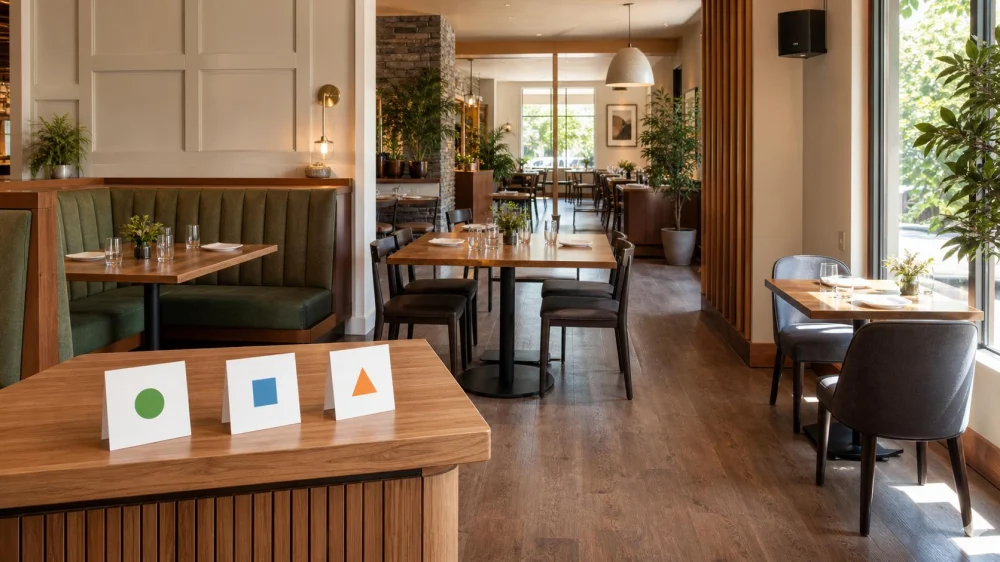
Restaurant Seating Requests: How to Ask and What to Expect
On this page
- Quick answer
- Understand requests versus guarantees
- Make the request at the right time
- Describe the need clearly
- Common requests and tradeoffs
- Confirm politely on arrival
- Respond when the table is unavailable
- Accessibility and service animals
- Special considerations for groups
- Frequently asked questions
- Conclusion and request template
Quick answer
Ask for restaurant seating when booking, explain the functional need or preference in one clear sentence, and confirm what is noted versus guaranteed. Recheck on arrival without blocking the host stand. Be prepared to wait longer, choose another suitable table, or change restaurants when an essential need cannot be met. A specific request such as “step-free standard-height table” is more useful than “best table.”
Kissaki Sushi / kissaki japanese restaurant
New YorkNew York CountyNew York
319 Bowery, New York, NY 10003, USA
Understand requests versus guarantees
A reservation usually holds space for a party at a time; it may not promise a particular numbered table, server, view, booth, or section. Restaurants assign tables around party size, reservations, accessibility, server workload, table combinations, cleaning, weather, and how long current diners stay.
Ask the person taking the reservation to state whether the seating is:
- Confirmed: The restaurant commits to the described feature.
- Noted preference: Staff will try but cannot promise.
- Unavailable: The venue cannot provide it at that time.
Record the name, date, time, and wording of any essential confirmation. Still recheck shortly before travel when access or weather-sensitive outdoor seating is involved.

The Office of Mr. Moto / mr moto nyc
New YorkNew York CountyNew York
120A St Marks Pl, New York, NY 10009, USA
Make the request at the right time
Add the request during the initial booking, then call directly if an online note cannot explain an essential need. Contacting the restaurant outside peak meal service may allow a more careful answer.
For large parties, mobility needs, power-wheelchair clearance, a high chair, stroller storage, hearing or sensory needs, or outdoor seating, give as much notice as practical. Last-minute requests can be constrained by the tables already committed.
Do not create multiple reservations to improve the odds of one table. That consumes inventory and makes coordinated seating harder.
Describe the need clearly
Explain the feature that changes whether the table works. Examples:
- “We need a step-free route and space for a power wheelchair at the table.”
- “Please note a standard-height table; a high-top will not work.”
- “One guest uses a hearing aid. Is a table away from speakers or the open kitchen available?”
- “We need one high chair. Does it change the maximum party size at that table?”
- “Outdoor seating is preferred, but indoor seating is acceptable if weather changes.”
A host generally needs the functional requirement, not a detailed diagnosis. Distinguish an access need from a preference so staff can prioritize appropriately.
Common requests and tradeoffs
Booth versus table
Booths offer separation but may have fixed seats, a step, limited transfer space, or insufficient room for mobility devices. Ask about dimensions and route when fit matters.
Quiet table
Away from speakers, bar, kitchen, host stand, and large groups may be quieter, but noise varies by time and occupancy. Earlier reservations can offer more choice.
Window or view
These tables are limited and popular. A request may mean waiting beyond the reservation time. Decide whether the view or punctual seating matters more.
Outdoor seating
Weather, air quality, heaters, shade, insects, street activity, and local rules affect availability. Confirm whether a weather move indoors is guaranteed.
A particular server or section
Schedules and rotation change. Treat this as a preference and avoid pressuring staff to unbalance a section.
Confirm politely on arrival
- Give the reservation name and complete party size.
- Mention the noted request in one sentence.
- Ask whether the assigned table meets it before the group follows the host.
- If inspection is needed, send one person rather than surrounding the desk.
- Accept a realistic revised wait when the requested suitable table is still occupied.
Do not seat yourself at an empty-looking table. It may be reserved, unstaffed, not cleaned, or required for a larger party.
Respond when the table is unavailable
First clarify whether the issue is time, table inventory, weather, misunderstanding, or a feature the venue does not have. Ask for concrete options:
- Wait for the suitable table
- Use another section with the required feature
- Adjust the party arrangement
- Move the reservation time
- Cancel without penalty when an essential confirmed feature cannot be provided
For a preference, decide calmly whether the available table is acceptable. For an access need, do not let social pressure force a person into unsafe or unusable seating. Ask for a manager when necessary.
Accessibility and service animals
Accessibility needs can involve entry, route, table height, seating transfer, restroom access, communication, sensory conditions, and emergency egress. Confirm the full path, not just whether the building uses the word “accessible.”
Do not move another person's mobility device, chair, cane, or service-animal equipment without permission. A trained service animal generally needs safe floor space with its handler, not a chair or aisle position. Pets, emotional-support animals, and service animals are governed differently; check applicable law and restaurant policy.
If an access concern cannot be resolved, document the interaction and use the restaurant's management or appropriate official process rather than debating law with front-line staff during a rush.
Special considerations for groups
- Report the correct number of adults, children, high chairs, and mobility devices.
- Ask whether the group must be complete before seating.
- Confirm whether tables will be adjacent or physically joined.
- Do not add guests at the door and expect the same table.
- Identify one contact for seating decisions.
- Ask about deposits, minimums, set menus, and automatic gratuity.
A request to sit “together” may mean one long table, adjacent tables, or the same room. Define what is essential.
Frequently asked questions
Can I request a specific table number?
You can ask, but most restaurants treat it as a preference. Table assignments change with operations.
Does a reservation guarantee indoor seating?
Not always. Confirm whether the reservation is indoor, outdoor, either, or subject to weather.
Should I tip the host for a better table?
Do not offer payment to bypass seating order or policy. Follow ordinary restaurant tipping practices.
Can a restaurant make us wait for a requested booth?
Yes, if the booth is a preference and occupied. Ask for the updated estimate and available alternatives.
What if an online note was overlooked?
Show the confirmation calmly and ask what suitable options exist. For essential needs, direct verbal confirmation before arrival is more reliable.
Conclusion and request template
Use this format: “Reservation for [party size] at [time]. We [need/prefer] [specific seating feature] because [brief functional reason if needed]. Is that confirmed or noted as a request, and what alternative is available?” Record the answer, reconfirm essential details, arrive on time, and stay flexible about preferences while holding firm on safe, usable access.





 Empanadas Monumental Freeport Long Island4.0 (248 reviews)
 Aldo's Cucina4.0 (219 reviews)
 Hank's Pizza4.0 (351 reviews)
 TOMO Sushi3.0 (2 reviews)
 Makina Cafe Eritrean-Ethiopian To Go4.0 (158 reviews)
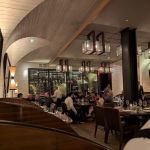 Scarpetta4.0 (2404 reviews)
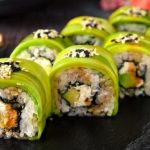 Best Sushi Rolls with Avocado Near Me: A Creamy Twist on Traditional Sushi
 How Dessert Shops Are Using Local and Seasonal Ingredients to Create Exceptional Treats
 Best Fast Food Delivery Apps in the U.S. and Their Hidden Fees
 How Brunch Restaurants Are Merging Classic Favorites With International Flavors
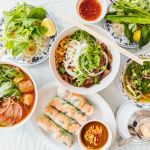 Why Vietnamese Restaurants Are Gaining Popularity Nationwide
 How Brunch Restaurants Are Innovating With International Flavor Combinations