
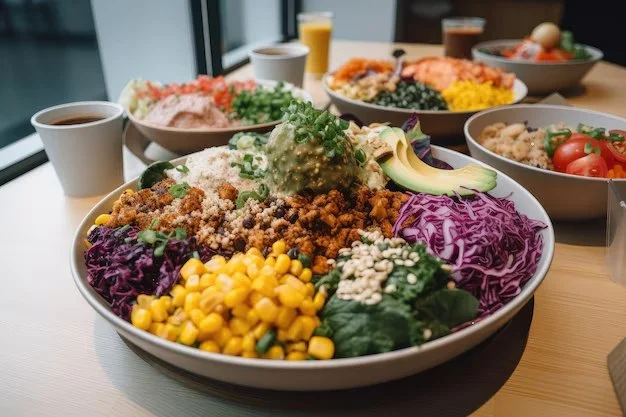
- 1. Changing Trends in the Fast Food Industry
- 2. The Rise of Plant-Based Fast Food
- 3. Benefits of Customizable Menus
- 4. Real-Life Examples of Fast Food Innovations
- 5. Conclusion and Future Outlook
1. Changing Trends in the Fast Food Industry
Over the last decade, the fast food industry has undergone significant changes to keep up with shifting customer preferences. With increasing awareness about health, environmental sustainability, and dietary restrictions, consumers are demanding more options beyond traditional fast food. As a result, many fast food restaurants are now offering plant-based and customizable menu options to cater to diverse tastes and preferences.
This evolution is not just about offering healthier choices; it's also about adapting to consumer demands for more personalized experiences. Let’s take a look at how these trends are shaping the fast food industry.
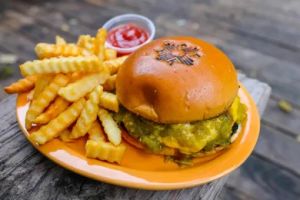
2. The Rise of Plant-Based Fast Food
Plant-based food has moved beyond niche markets to become a mainstream trend in fast food. Consumers are increasingly looking for plant-based alternatives to traditional meat options, driven by health reasons, environmental concerns, and ethical considerations. As a result, fast food chains are adding plant-based items like vegan burgers, plant-based chicken nuggets, and dairy-free milkshakes to their menus.

Cafe Clementine / cafe clementine nyc
New YorkNew York CountyNew York
325 Greenwich St, New York, NY 10013, USA
Health and Sustainability Driving Demand
The rise of plant-based eating is not only due to health-conscious consumers but also driven by growing concerns about the environment. Plant-based diets have a smaller carbon footprint compared to diets rich in animal products, making them more appealing to eco-conscious customers. Fast food chains like Burger King and McDonald's have introduced plant-based burgers (e.g., the Impossible Whopper and McPlant) to cater to this demand, helping to reduce their environmental impact while attracting a new customer base.
Expanding Menu Options
In addition to offering traditional plant-based burger options, restaurants are expanding their plant-based menus to include salads, wraps, and breakfast items. Chains like Taco Bell and Subway have made significant strides in offering vegan options, ensuring their plant-based menu items meet the needs of a wide variety of customers.
3. Benefits of Customizable Menus
Another trend that has reshaped the fast food industry is the rise of customizable menus. Today, customers want the freedom to personalize their meals according to their tastes and dietary restrictions. From gluten-free options to customizable toppings, the ability to create a meal that aligns with individual preferences has become a key selling point for many fast food restaurants.
Tailored Dining Experience
Customizable menus allow customers to choose ingredients that meet their specific nutritional needs. Whether someone is following a keto diet, managing food allergies, or simply prefers certain flavors, the flexibility of customizing their meal offers a more inclusive and satisfying dining experience. For instance, places like Chipotle and Subway allow customers to pick from various proteins, toppings, and sauces to build the perfect meal.
Increased Customer Satisfaction
Offering a customizable experience also leads to higher customer satisfaction and loyalty. People appreciate when restaurants give them control over their food choices. It encourages repeat visits and boosts customer retention, which is vital in the highly competitive fast food market. Customizable options also help fast food chains stand out in an industry that thrives on offering consistent, yet unique experiences.
4. Real-Life Examples of Fast Food Innovations
Several fast food chains have already embraced plant-based and customizable menu options with great success. Let’s look at a few examples:
1. Burger King's Impossible Whopper
When Burger King introduced the Impossible Whopper, it revolutionized the fast food industry’s approach to plant-based dining. The burger features a plant-based patty from Impossible Foods, catering to both vegetarians and meat-eaters who want a healthier, more sustainable option. The success of the Impossible Whopper shows how fast food chains can innovate to meet the demands of modern consumers.
2. Taco Bell's “Vegetarian” Menu
Taco Bell took a bold step by offering an entirely vegetarian menu, with a variety of plant-based protein options. Their move is part of a broader trend where restaurants are providing more inclusive options that cater to dietary restrictions and preferences. With customizable meal combinations, Taco Bell is appealing to health-conscious and environmentally aware customers.
3. Chipotle’s Build-Your-Own Meal Options
Chipotle has long been a pioneer in offering customizable menu options. With a variety of proteins (including plant-based sofritas), toppings, and sauces, customers can create a personalized meal tailored to their tastes. Chipotle’s commitment to quality ingredients, sustainability, and customization has made it a leader in the fast casual sector.
5. Conclusion and Future Outlook
The integration of plant-based and customizable menu options into fast food restaurants is not just a passing trend but a significant shift in how the industry operates. By adapting to consumer demands for healthier, more sustainable, and personalized food options, fast food chains are setting themselves up for long-term success.
As customers continue to prioritize health, sustainability, and personalized dining experiences, it’s likely that more fast food restaurants will follow suit. The future of fast food is undoubtedly greener and more customizable, which will make it easier for diners to enjoy their favorite meals while staying true to their dietary preferences.
If you're looking for the latest and most customizable dining options, check out Dine Droop for top recommendations on restaurants and products that cater to every palate.





 Quick Pho Vietnamese Cuisine4.0 (177 reviews)
 Fonty’s Deli + Dukaan4.0 (29 reviews)
 La Esquina Del Movimiento3.0 (61 reviews)
 Olympia Steakhouse4.0 (1598 reviews)
 Noches De Colombia4.0 (2100 reviews)
 Mo'Bae Caribbean & American Grill3.0 (2 reviews)
 htmlCopy codeDiscovering Middle Eastern Restaurants That Offer Modern Dining Experiences
 Discovering Pizza Restaurants That Experiment With Creative Toppings and Styles
 Best Sushi Restaurants for Every Budget and Taste: A Complete Guide
 How Ice Cream Shops Are Pioneering Seasonal and Global Flavor Combinations
 How Fast Food Restaurants Are Incorporating Plant-Based and Health-Conscious Options Successfully
 Discovering Sushi Restaurants That Blend Seasonal Ingredients With Traditional Techniques