
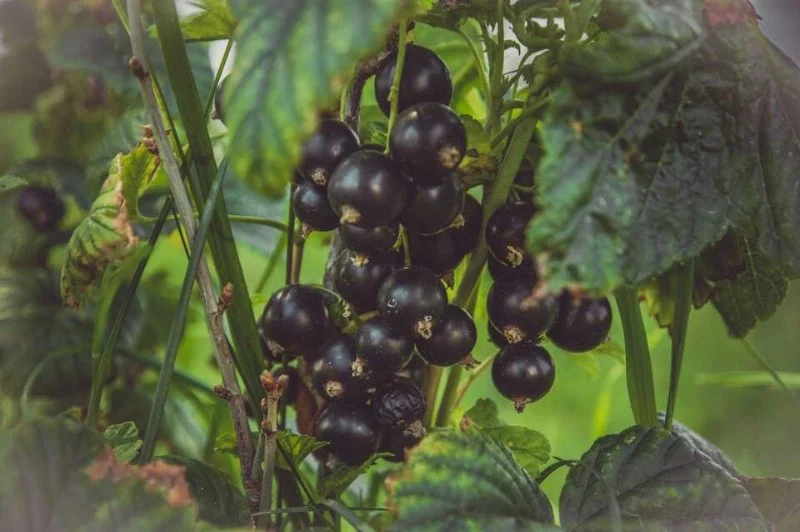
Black Currant’s Unexpected Rise in the 2026 Beverage Landscape
- trend-overview - Black currant’s global comeback in drinks and desserts
- non-alcoholic-shift - How sober-curious culture is driving flavor innovation
- menu-growth-34 - Why menu appearances are rapidly increasing worldwide
- consumer-demand - What modern drinkers are actually looking for
In the last few years, the beverage industry has been shifting in ways that feel almost counterintuitive. While tropical fruits and citrus blends dominated the 2010s and early 2020s, data now shows a surprising contender rising to the top: black currant. With menu appearances growing by nearly 34 percent, industry analysts are increasingly pointing to it as a defining flavor of 2026—especially within the rapidly expanding world of non alcoholic beverages.
What makes this shift so interesting is not just the fruit itself, but the cultural movement behind it. Consumers are no longer chasing only sweetness or novelty. Instead, they are seeking depth, complexity, and flavors that feel closer to nature rather than engineered sugar profiles. Black currant, with its tart intensity and earthy sweetness, fits perfectly into that evolution.

Why Black Currant Feels “New” Again in a Modern Market
Although black currant has been used for centuries in Europe and parts of Asia, it spent years in relative obscurity in mainstream American menus. Its re-emergence is not accidental. Beverage developers have rediscovered its layered taste profile, which sits somewhere between blackberry, grape, and a subtle herbal note that lingers.
One of the most fascinating aspects of this resurgence is how it aligns with health-conscious trends. Consumers who previously leaned toward artificially flavored drinks are now actively choosing ingredients they can recognize. Black currant offers not just flavor but also an implied sense of wellness, even when not explicitly marketed as a health ingredient.
A beverage consultant from a mid-sized café chain in Chicago shared a story that reflects this shift. When they introduced a black currant spritzer as a seasonal test item, it quietly outperformed their best-selling berry lemonade within two weeks. Customers described it as “more grown-up,” “less sugary,” and “unexpectedly refreshing.” That kind of feedback is what pushes a flavor from niche to mainstream.

The Non Alcoholic Beverage Boom Driving Flavor Innovation
The surge in non alcoholic beverages has completely changed how flavors are developed and introduced. What used to be an afterthought category is now one of the most innovative spaces in food and drink. Bars, cafés, and even fine dining restaurants are investing heavily in alcohol-free pairings that feel just as sophisticated as traditional cocktails.
Within this shift, black currant stands out because it carries a natural complexity that mimics some of the sensory depth found in wine and spirits. Its slight tannic edge makes it especially appealing in mocktails designed to replicate the “bite” of alcoholic drinks without the alcohol itself.
This is where the broader trend becomes important. The 34 percent increase in menu appearances is not just about popularity—it is about utility. Black currant works in sparkling drinks, syrups, iced teas, shrubs, and even savory beverage pairings. Its versatility is what makes it a favorite among mixologists experimenting with alcohol-free creativity.
How Restaurants Are Rebuilding Menus Around Flavor Depth
Across major cities in the United States and Europe, menu design is evolving. Instead of listing drinks as simple categories like soda, juice, or cocktail, establishments are now building flavor-forward sections. In these sections, ingredients like black currant are highlighted not just for taste but for identity.
A boutique restaurant in Portland recently redesigned its entire beverage menu around “forest fruits,” a category that includes black currant, elderberry, and wild cherry. The owner explained that customers are increasingly drawn to ingredients that feel seasonal and slightly wild, rather than mass-produced flavors.
This approach also enhances storytelling. When a drink is described as “black currant infusion with cold-pressed herbs and citrus foam,” it creates a sensory expectation that goes beyond taste. It becomes an experience. That emotional connection is a key reason why certain flavors trend faster than others.
What Makes Black Currant Stand Out From Other Berry Flavors
At first glance, black currant might seem similar to blueberry or blackberry. However, its flavor chemistry is noticeably different. It carries a sharper acidity, deeper aroma compounds, and a slightly bitter finish that makes it more dynamic in beverages.
This complexity is what allows it to shine in modern drink formulations. While sweeter berries often require balancing with sugar or syrups, black currant naturally sits in a more structured flavor space. That makes it ideal for low-sugar or no-sugar beverage development, which is a major focus in 2026 food innovation.
Interestingly, chefs often describe black currant as a “bridge ingredient.” It connects fruity sweetness with herbal bitterness, making it useful in both refreshing summer drinks and warm winter infusions.
Real-World Case: A Café Experiment That Went Viral
In early 2025, a small café in Brooklyn tested a drink called “Midnight Currant Spark.” It combined black currant syrup, tonic water, and a hint of rosemary smoke. Initially intended as a limited experiment, the drink unexpectedly went viral on social media after a customer posted a short video describing it as “the most sophisticated non-alcoholic drink I’ve ever had.”
Within weeks, the café saw a 40 percent increase in foot traffic. More importantly, other cafés in the area began introducing their own black currant variations. This ripple effect is a classic example of how modern beverage trends spread—not through advertising, but through experience sharing.
Why 2026 Will Cement Black Currant as a Signature Flavor
Several forces are converging at the same time: health-conscious consumption, demand for low-sugar options, and the rise of craft beverage culture. Black currant sits at the intersection of all three. It is not overly sweet, it feels natural, and it offers complexity that fits premium positioning.
Industry analysts also point to supply chain stability as a factor. Black currant cultivation has expanded in multiple regions, making it more accessible for global beverage brands. This increased availability ensures it can scale beyond boutique menus into mainstream products.
For consumers, this means black currant will not remain a hidden gem for long. It is transitioning from “interesting option” to “default premium flavor” in many new product categories.
Where to Explore Emerging Drink Trends and Flavor Experiences
For readers who enjoy discovering new beverage trends, exploring how flavors like black currant evolve across cafés, bars, and restaurants can be surprisingly rewarding. Platforms like Dine Droop offer insights into emerging menu innovations, seasonal drink ideas, and curated food experiences that highlight these evolving tastes.
Understanding why certain flavors rise helps you see beyond the menu. It reveals how culture, health trends, and creativity all merge into what ends up in your glass.
As black currant continues its climb toward becoming a defining flavor of 2026, it is worth paying attention not just to where it appears, but how it is being reimagined in drinks across different culinary spaces.

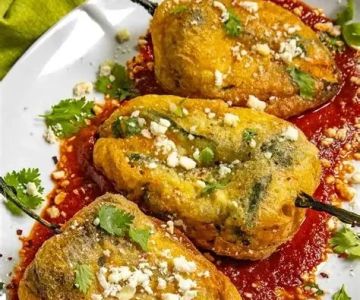

 Jam-Icons Jamaican Restaurant3.0 (206 reviews)
 Starbucks4.0 (239 reviews)
 D & Y Kitchen4.0 (104 reviews)
 NaNa Thai Street4.0 (921 reviews)
 Noshers4.0 (93 reviews)
 E E Bakery3.0 (22 reviews)
 How Brunch Restaurants Are Combining Healthy Options With Indulgent Favorites
 Where to Find the Best Ceviche Near Me: Fresh, Flavorful, and Perfect for Summer
 Must-Try Desserts Near Me: Sweet Treats That Will Make Your Day
 How Fast Food Restaurants Are Offering Customizable Menu Options
 Discovering Coffee Shops That Focus on Sustainability and Ethical Sourcing
 Exploring Ice Cream Shops That Offer Unique Flavors Year-Round