
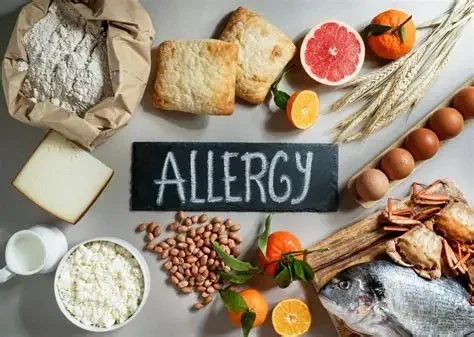
- food-allergy-dining-laws-us-expansion - why regulations are increasing across states
- allergen-safety-protocols-in-restaurants - how kitchens are adapting operations
- cross-contamination-prevention-strategies - real safety procedures in food service
- restaurant-training-and-compliance-culture - staff education and responsibility shifts
- dine-droop-insights-safe-dining-future - industry evolution and guest awareness
Why More Restaurants Are Implementing Allergen Safety Protocols as Six States Now Have Food Allergy Dining Laws
The restaurant industry in the United States is undergoing a quiet but important transformation. As six states now enforce food allergy dining laws, allergen safety protocols are no longer optional training modules buried in staff manuals—they are becoming central to how kitchens operate, communicate, and serve guests.
This shift is not just about compliance. It is about trust. Diners with food allergies have long navigated restaurant menus with caution, often relying on verbal communication or guesswork. Now, the expectation is changing: safety must be built into the dining experience itself.

The Rise of Food Allergy Dining Laws Across Six States
The introduction of food allergy dining laws across multiple US states marks a turning point in restaurant accountability. These regulations require clearer labeling, staff awareness, and in some cases, formal allergen training certifications for food handlers.
While the exact requirements vary by state, the underlying principle is consistent: customers deserve to know what is in their food without ambiguity or risk.
Cielito cafe & kitchen / cielitos cafe
7-94 Cypress Ave, Ridgewood, NY 11385, USA
Why these laws are gaining momentum
Food allergies have become more widely diagnosed over the past decade, particularly among children and young adults. Emergency room visits related to allergic reactions in dining settings have also increased awareness among policymakers.
In response, lawmakers have begun to treat allergen safety as a public health priority rather than a niche dietary concern.
Why Restaurants Are Rebuilding Their Kitchen Systems
For restaurants, allergen safety protocols are not as simple as updating a menu. They require structural changes in how food is prepared, stored, and served. Kitchens must now think in terms of risk zones, ingredient tracking, and contamination prevention at every stage.
One restaurant manager in Chicago described the transition as “rewiring the kitchen mindset.” Instead of focusing only on speed and taste, staff must now consider invisible risks embedded in ingredients.
Core operational changes in modern kitchens
Many restaurants are introducing separate preparation tools, color-coded utensils, and designated cooking areas for allergen-sensitive orders. Even something as simple as frying oil management becomes critical when gluten or nut exposure is a concern.
Training programs now emphasize communication between front-of-house and kitchen staff, ensuring that allergy requests are not lost during busy service hours.
Cross-Contamination Prevention: The Hidden Challenge
One of the most complex aspects of allergen safety protocols is preventing cross-contamination. Unlike visible food preparation errors, contamination often happens silently—through shared surfaces, utensils, or cooking equipment.
A widely discussed case involved a diner in New York who experienced an allergic reaction despite ordering a “safe” meal. Investigation revealed that the same grill used for allergen-free food had been used moments earlier for a dish containing the allergen.
This type of incident has pushed restaurants to rethink cleaning procedures, timing between orders, and even kitchen layout design.
Practical prevention strategies
Modern kitchens now rely on strict sanitation sequencing, where allergen-sensitive meals are prepared first or in isolated stations. Staff are trained to recognize high-risk ingredients even when they appear in small quantities, such as sauces or marinades.
These changes may slow down service slightly, but they significantly reduce the risk of medical emergencies.
Real Restaurant Story: A Small Cafe’s Transformation
A family-owned café in California shared their experience after adopting allergen safety protocols ahead of state requirements. Initially, staff viewed the changes as overwhelming due to increased documentation and training requirements.
However, within months, customer trust noticeably improved. Regular guests with dietary restrictions began returning more frequently, confident that their concerns were being taken seriously.
The owner described the shift as “not just compliance, but connection.” The café’s reputation grew not because of menu changes, but because guests felt safe dining there.
Staff Training and Responsibility in Modern Dining
Restaurant employees now play a critical role in allergen safety. Training programs go beyond basic food handling to include real-life scenario simulations, ingredient identification drills, and communication protocols with customers.
Servers are often the first point of contact for allergy concerns, which means they must accurately relay information between the guest and kitchen staff without assumptions or shortcuts.
Why training consistency matters
Inconsistent knowledge among staff is one of the biggest risks in allergen management. A single misunderstanding can lead to severe consequences. That is why many restaurants are now implementing recurring certification programs rather than one-time onboarding sessions.
How Technology Is Supporting Allergen Safety
Digital tools are becoming increasingly important in managing allergen information. Many restaurants now use POS systems that flag allergen-sensitive orders automatically and alert kitchen staff in real time.
Some systems even track ingredient sourcing, making it easier to identify hidden allergens in complex dishes. This level of transparency was nearly impossible in traditional paper-based workflows.
Industry analysts featured on platforms like Dine Droop highlight that technology is not replacing human awareness—it is reinforcing it.
The Customer Perspective: Dining With Confidence
For diners with food allergies, restaurant visits have historically involved uncertainty. Even when menus included disclaimers, communication gaps often remained.
With the expansion of food allergy dining laws, customers are beginning to feel more confident asking questions and expecting clear answers. This cultural shift is as important as the legal one.
One diner shared that they used to avoid restaurants entirely after a severe reaction years ago. Now, with improved allergen safety protocols, they have started dining out again, cautiously but optimistically.
Industry Impact and Future Direction
The implementation of allergen safety protocols is reshaping the restaurant industry’s long-term standards. What began as regulatory compliance is now evolving into a competitive advantage for restaurants that prioritize safety.
As more states adopt food allergy dining laws, it is likely that national standards will become more unified. This could eventually lead to standardized allergen labeling and training requirements across the entire US food service industry.
For restaurants, adapting early is no longer just about avoiding penalties—it is about building lasting trust with increasingly health-conscious customers.


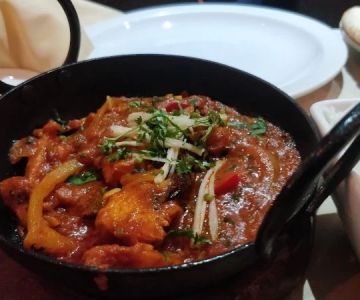
 Lulu and Dino Cafe Bakery4.0 (308 reviews)
 True Food Kitchen4.0 (744 reviews)
 Bengali Sweet Shop4.0 (1081 reviews)
 Polish Deli Smakosz4.0 (55 reviews)
 African pot with Temmy3.0 (52 reviews)
 Tropical Jerk & Seafood Center4.0 (1107 reviews)
 Where to Find the Best Mango Sticky Rice Near Me: A Sweet and Creamy Thai Dessert
 How Dessert Restaurants Are Using Molecular Gastronomy Techniques
 How Breakfast Restaurants Are Elevating Everyday Dishes With Unique Ingredients
 Why Vietnamese Restaurants Are Gaining Popularity Nationwide
 The Rise of Plant-Based Dining: Top Vegan-Friendly Restaurants You Need to Try
 Best Local Wine Bars Near Me: Sip Local Wines in Great Atmospheres