Wrong Dish at a Restaurant? Pause Before Eating and Ask for a Recheck
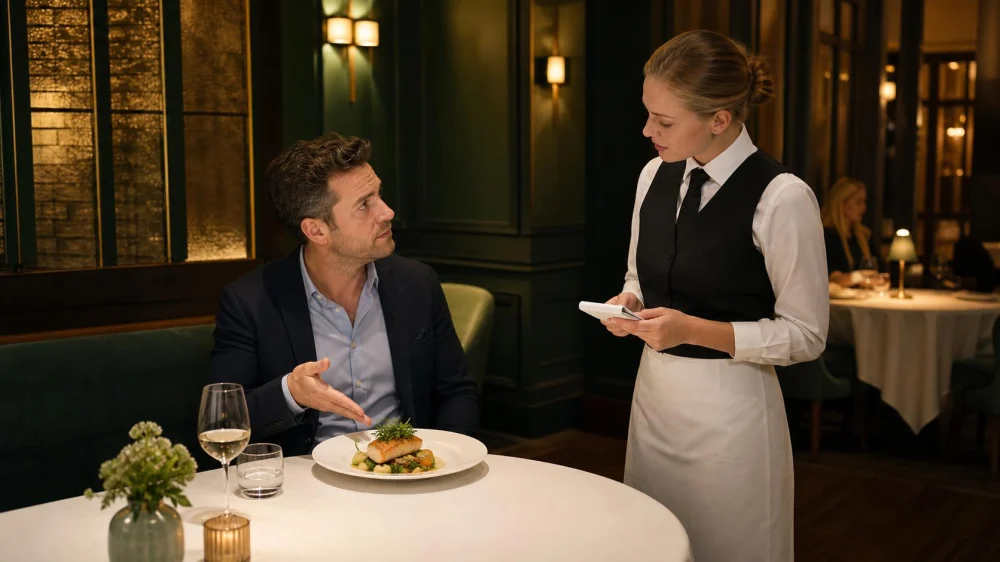
Quick answer: Leave the dish untouched, confirm what you ordered, and politely tell the server what appears different. Mention any food allergy or medical dietary restriction again before the plate is removed. Do not trade plates across the table when allergens or cross-contact matter. Ask what will happen to the incorrect dish, how long a replacement will take, and how the bill will be corrected.
1. Do Not Taste It to Figure Out What It Is
Ingredients, sauces, garnishes, and cooking methods may not be visible. Keep utensils off the plate and stop others from sampling it. This protects both food-safety and service handling.
Tacos El Brother TRUCK / tacos el brother truck
512 5th Ave, Brooklyn, NY 11215, USA
2. Check the Menu and What You Actually Requested
Review the dish name, modifiers, doneness, sides, and shared-order plan. A server can check the ticket. Avoid assuming the neighboring table's order was swapped without evidence.
3. Say “Food Allergy” Clearly When It Applies
Repeat the allergen and explain that simply removing a topping may not be safe. Ask for a manager or allergy-trained staff member and a newly prepared dish using the restaurant's procedure.
4. State the Observable Difference Briefly
Say, for example, “I ordered the grilled fish without sauce, and this appears breaded with sauce.” Avoid diagnosing kitchen intent. Show the confirmation or menu when needed.
5. Do Not Rearrange or Transfer the Food
Let staff take the full plate. Moving food to another dish can spread allergens and make the original problem harder to verify. Do not keep an incorrect plate unless the restaurant explicitly says it is yours.
6. Ask How Long a Safe Replacement Will Take
A fully remade dish may need normal cooking time. Ask whether an appetizer, side, or adjusted plan is available, especially before a show or with a group deadline. Do not pressure staff to rush safe preparation.
7. Decide Whether Others Will Eat or Wait
There is no single etiquette rule. The guest waiting can invite others to begin, or the group can pause. Keep hot food quality and everyone's schedule in mind rather than creating more stress.
8. Check That Incorrect Items and Promised Adjustments Are Accurate
Review item names, quantity, price, replacement, and any manager-approved adjustment before paying. Ask questions politely at the table rather than disputing later without context.
9. Use the Emergency Plan for Allergy Symptoms
If someone has trouble breathing, throat tightness, widespread hives, faintness, or other signs in their emergency plan, use prescribed epinephrine as directed and call 911. Do not wait for the restaurant to investigate first.
10. Report Facts That Help the Restaurant Improve
Give the date, time, table, ordered dish, delivered dish, allergy communication, response, and outcome. Praise effective recovery as well as explaining gaps. A factual private message is more useful than speculation about staff motives.



 Asia Kitchen3.0 (94 reviews)
 Brasserie Restaurant Cafe Bar2.0 (13 reviews)
 4 Corners Marketplace3.0 (14 reviews)
 Fresh Venus Caribbean Restaurant4.0 (256 reviews)
 Birria Landia4.0 (206 reviews)
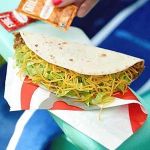 Taco Bell4.0 (540 reviews)
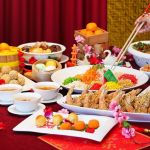 Why Searches for Restaurants Near Me That Offer Chinese New Year Specials Celebrate Lunar Traditions
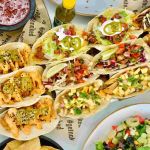 Best Local Taco Places Near Me: A Guide to the Best Tacos in Your Area
 How Coffee Shops Are Expanding Their Menus With Specialty Beverages
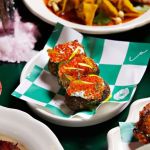 What’s On The Menu? A Peek at the Most Popular Restaurant Dishes in 2025
 Exploring Sushi Restaurants That Offer Chef-Curated Tasting Experiences
 Best Vegan Burrito Bowls Near Me: Where to Enjoy a Plant-Based Mexican Feast