
- 1-What Is Asian Fusion Cuisine?
- 2-Blending Tradition with Modernity
- 3-Popular Traditional Ingredients Used in Modern Twists
- 4-Famous Examples of Asian Fusion Dishes
- 5-Why Customers Love the Fusion Trend
1. What Is Asian Fusion Cuisine?
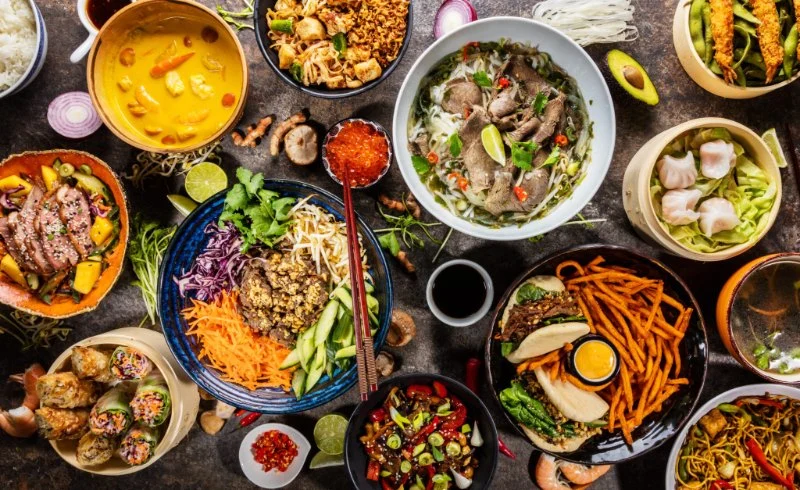
Asian fusion cuisine is a culinary trend where traditional Asian flavors are combined with modern techniques and ingredients. This fusion offers a unique dining experience that blends the best of both worlds: the deep, rich flavors of traditional Asian cooking with the contemporary innovation of modern culinary techniques. The goal is to create exciting, innovative dishes that both honor and reinvent the classics.

Rosella's Pizzeria / rosella's pizzeria
New YorkNew York CountyNew York
164 William St, New York, NY 10038, USA
2. Blending Tradition with Modernity
When it comes to blending traditional flavors with modern twists, chefs take inspiration from classic Asian dishes and use new techniques or ingredients to put a contemporary spin on them. For instance, a traditional Chinese dumpling might be filled with more experimental ingredients, or sushi could feature unconventional toppings or unique presentations. The goal is to respect the origins of the dish while introducing an element of surprise that excites the palate and sparks curiosity.

2.1 Innovative Cooking Methods
Modern cooking methods such as sous-vide, molecular gastronomy, and smoke infusions are increasingly used in Asian fusion kitchens. These methods allow chefs to create textures, flavors, and visual effects that weren’t possible in traditional cooking. For example, sous-vide cooking is used to create perfectly tender meats that retain the deep flavors of traditional Asian marinades, while molecular gastronomy can produce unexpected elements like liquid nitrogen desserts or foams with traditional ingredients like miso or soy sauce.
2.2 Experimenting with Global Influences
Chefs are also incorporating flavors from outside of Asia into their traditional recipes, creating a truly global fusion experience. A Japanese ramen dish might feature Italian-inspired pesto or Mediterranean olives, adding a surprising flavor combination to the base broth. This openness to global influences is part of the innovation and creativity that drives modern Asian fusion cuisine.
3. Popular Traditional Ingredients Used in Modern Twists
While modern twists are key to Asian fusion, many traditional ingredients remain central to the success of these dishes. Here are some popular ingredients used in modern interpretations of classic dishes:
3.1 Miso
Miso, a fermented soybean paste, has long been a staple in Japanese cuisine. Today, it’s being used in creative ways beyond soups, such as in sauces, dressings, or even desserts. Its umami-rich flavor is a perfect complement to modern dishes looking to add depth.
3.2 Rice Vinegar
Rice vinegar, a key ingredient in many Asian dishes, is now being incorporated into everything from salad dressings to pickled vegetables and even cocktails. Its light and delicate acidity provide the perfect balance to heavier, richer dishes.
3.3 Tofu
Once primarily used as a protein substitute in vegetarian dishes, tofu has now become a versatile ingredient used in everything from smoothies to savory stir-fries. In Asian fusion, tofu can be marinated and grilled or even used in sweet dishes like panna cotta.
4. Famous Examples of Asian Fusion Dishes
Some of the most exciting examples of Asian fusion dishes include:
4.1 Sushi Burritos
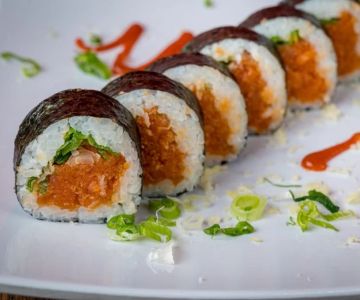
The sushi burrito combines the fresh flavors of sushi with the convenience of a burrito. Wrapped in a seaweed sheet, these oversized sushi rolls are filled with traditional ingredients like fish, rice, and avocado, but often feature unique fillings such as spicy mayo or teriyaki chicken, giving the dish a contemporary, global appeal.
4.2 Korean BBQ Tacos
Another popular fusion dish is the Korean BBQ taco. Combining the smoky, savory flavors of Korean BBQ with the convenience and portability of a taco, this dish is a favorite among those who love both Mexican and Korean cuisine. It often features marinated beef or pork, kimchi, and a drizzle of spicy sauce, all wrapped in a soft corn tortilla.
4.3 Ramen Burgers
Ramen burgers have become a viral sensation, combining the rich, savory flavors of Japanese ramen with the classic American burger. Instead of a traditional bun, the burger is held together with a patty made of ramen noodles that are seared to a crispy texture, making this fusion dish a fun and delicious twist on a classic favorite.
5. Why Customers Love the Fusion Trend
Asian fusion cuisine has become immensely popular for several reasons:
5.1 Unique Flavor Combinations
The creativity and innovation behind fusion dishes create exciting flavor combinations that surprise and delight customers. Whether it’s the combination of spicy, savory, and sweet flavors or unexpected ingredients like mango salsa on a sushi roll, diners love the novelty of fusion dishes.
5.2 Cultural Exploration
Fusion cuisine allows diners to explore different cultures and culinary traditions without leaving their local area. By combining the familiar with the exotic, these dishes create a fun and accessible way to experience diverse food traditions.
5.3 Customization and Personalization
Many Asian fusion restaurants offer customizable dishes, allowing diners to pick and choose ingredients, sauces, and proteins. This flexibility makes fusion cuisine appealing to a wide range of tastes and dietary preferences, making it easy to adapt traditional flavors into modern meals that suit everyone’s needs.
If you're eager to try out the best fusion dishes, head over to Dine Droop for recommendations on the best spots serving innovative Asian cuisine with a modern twist. Whether you’re craving sushi burritos or Korean BBQ tacos, there’s always something new and exciting to discover!



 Daphne's4.0 (151 reviews)
 Pizza Hut3.0 (399 reviews)
 Bikanervala Jersey City3.0 (1138 reviews)
 Taiyaki NYC Japanese Ice Cream4.0 (3454 reviews)
 Subway3.0 (145 reviews)
 Parlay4.0 (667 reviews)
 How Vegan Restaurants Are Pioneering Plant-Based Desserts That Taste Indulgent
 Best Spaghetti with Meatballs Near Me: Where to Find the Best Italian Dish
 The Art of Making Perfect Donuts at Local Shops
 Discovering Sushi Restaurants That Source Ingredients Locally and Responsibly
 Why You Should Try a Tasting Menu: The Best Restaurants Near Me Offering a Full Culinary Experience
 Discovering Vegan Restaurants That Use Innovative Cooking Techniques and Ingredients