
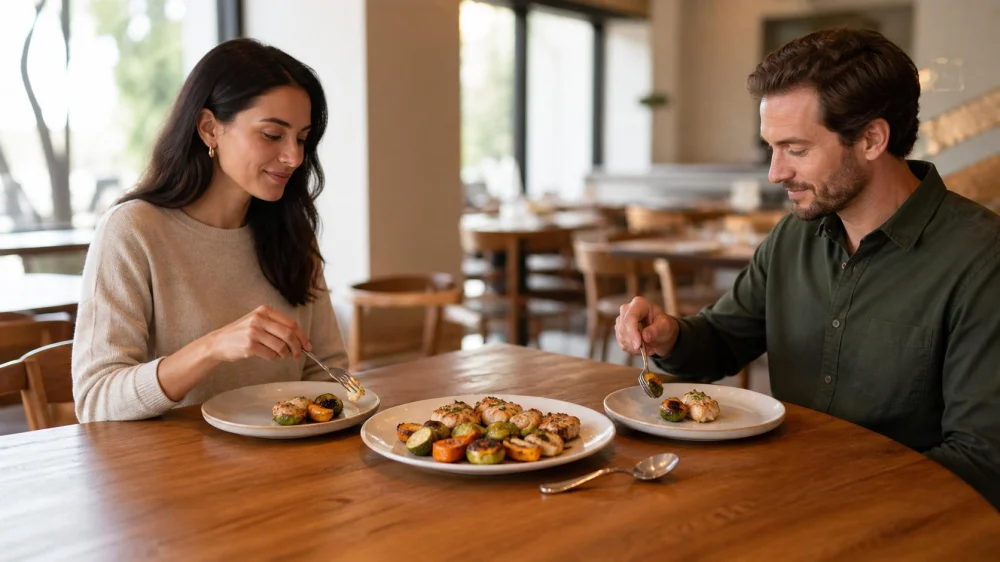
Sharing a Restaurant Entrée: Check Portions, Plates, and Fees
On this page
Quick answer
Before sharing a restaurant entrée, ask whether the portion is suitable for two, what sides and garnishes are included, and whether the kitchen splits it or charges for extra plates. Confirm allergens and cross-contact for the complete dish, decide how sauces and temperature-sensitive items will be served, use separate utensils when needed, and plan another dish if sharing would leave the meal unbalanced or too small.

Havana Café / havana cafe tremont ave bronx
3151 E Tremont Ave, Bronx, NY 10461, USA
Why sharing changes the order
Sharing changes portion expectations, plating, utensils, timing, sides, temperature, price, and sometimes kitchen workflow. An entrée described as large may still have one small side or a component difficult to divide. The goal is not to force an exact half, but to understand what arrives and choose a meal that works for both diners and the restaurant's service model.
This guide is for diners at restaurants in the United States. It does not assume that every restaurant allows plate splitting, provides free extra plates, or can make shared food safe for a serious allergy. Menus, recipes, portions, policies, charges, and local food rules vary.

Cafe Grumpy - Rockefeller Center / cafe grumpy - rockefeller center
New YorkNew York CountyNew York
Rink Level, Rockefeller Plaza, New York, NY 10112, USA
Questions to ask before ordering
- The entrée's approximate portion, number and size of primary pieces, included sides, sauces, garnishes, bread, condiments, and whether it is designed for one or sharing.
- Split-plate, extra-plate, sharing, minimum-order, tasting-menu, prix-fixe, promotion, or automatic service charges that may apply.
- Whether the kitchen divides the food, plates it separately, serves it family-style, or provides a clean plate and utensils at the table.
- Ingredients and cross-contact for every component, including sauce, garnish, fryer, grill, shared utensil, side, and optional substitution.
- Doneness, holding time, hot or cold components, delicate presentation, bones, shells, skewers, or items that become difficult to divide safely.
- Each diner's hunger, dietary needs, pace, preferred textures, and whether an appetizer, vegetable, starch, or second small dish would balance the meal.
- Leftover packaging, refrigeration timing, transport duration, destination storage, and whether split food travels well.
Share an entrée without confusion
- Choose the entrée for a clear reason—portion, variety, budget, appetite, or tasting—rather than assuming all large plates are meant for two.
- Ask the server about current portion, sides, splitting method, charges, and menu restrictions before placing the order.
- Disclose allergies and dietary needs separately and ask whether sharing or kitchen splitting changes cross-contact controls.
- Decide whether kitchen plating, table sharing, or separate orders better preserves temperature, texture, portion, and allergen boundaries.
- Request clean plates and serving utensils when appropriate; avoid using a tasted utensil to move food for another diner.
- Divide obvious portions first, keep bones and hot serving pieces stable, and allow the slower diner fair access without repeatedly rearranging the plate.
- Pack leftovers promptly when suitable, identify shared components, and refrigerate according to current food-safety guidance.
For a repeat visit, note the actual entrée size, pieces, sides, split fee, plating style, allergen communication, timing, and whether another dish was needed. Reconfirm details because menu composition, portion, price, and restaurant policy can change.
Allergen and service limits
Sharing does not reduce allergens, sodium, alcohol, caffeine, or other ingredients by a predictable amount. Separate plates at the table cannot undo kitchen cross-contact. Do not divide food with steak knives or hot serving dishes in an unstable position, and do not leave leftovers at room temperature for a long social or travel period.
Choose separate dishes when the restaurant cannot answer a critical allergen question or maintain a needed boundary. Seek emergency help for breathing difficulty, throat tightness, faintness, rapidly spreading swelling or hives, choking that does not clear, a severe burn, or another immediate danger. Follow an individual allergy action plan when one exists.
Frequently asked questions
Can a restaurant charge for sharing an entrée?
Yes, some restaurants use split-plate or minimum-order policies. Ask about the amount and what extra plating or sides it includes before ordering.
Is kitchen splitting always better?
It can provide cleaner portions, but some dishes lose texture or presentation, and allergen controls still depend on the kitchen's process.
Should shared diners order an extra side?
Consider appetite, vegetables, starch, protein, portion, and the entrée's included items. A small complementary dish may make sharing work better.
Can we share if one diner has an allergy?
Only when the restaurant can explain ingredients and cross-contact and the shared service does not compromise the required boundary.
What if the portion is smaller than expected?
Ask early about adding a side or second dish rather than pressuring either diner to accept an uneven meal.
Sources and evidence
Use the restaurant's current menu, server and kitchen information, allergen procedures, written fee or promotion terms, and official food-safety guidance for leftovers. The actual recipe, portion, service method, and diner needs determine whether sharing is a good fit.
Conclusion and next steps
Confirm the portion, sides, splitting method, fees, allergens, and temperature before ordering. Choose clean utensils and a stable serving plan, then add another dish if the shared entrée cannot meet both diners' needs. Sharing works best when expectations are explicit and no critical dietary boundary depends on guesswork.





 Starbucks3.0 (144 reviews)
 Jay's Roti Hut4.0 (193 reviews)
 The Liberty NYC4.0 (1080 reviews)
 Itaewon Pocha4.0 (620 reviews)
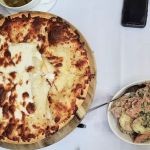 Royal Garden Tbilisi4.0 (297 reviews)
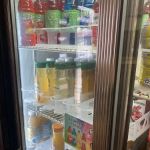 Jerome Market Deli Co.4.0 (46 reviews)
 Where to Find the Best Pita Bread Near Me: Fresh and Soft Middle Eastern Staple
 Best BBQ Chicken Near Me: Where to Enjoy Smoky, Tender, and Flavorful Chicken
 How Brunch Restaurants Are Innovating With International Flavor Combinations
 The Rise of Vegan and Vegetarian Restaurants in Downtown Areas
 Everything You Need to Know About Finding Restaurants That Serve Gluten Free Cochinita Pibil Without Flour Marinades
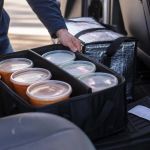 Takeout Soup Transport: Seal, Separate, Chill, or Serve Promptly