
Restaurant Patio Heater: Distance, Comfort, and Safety
On this page
Quick answer
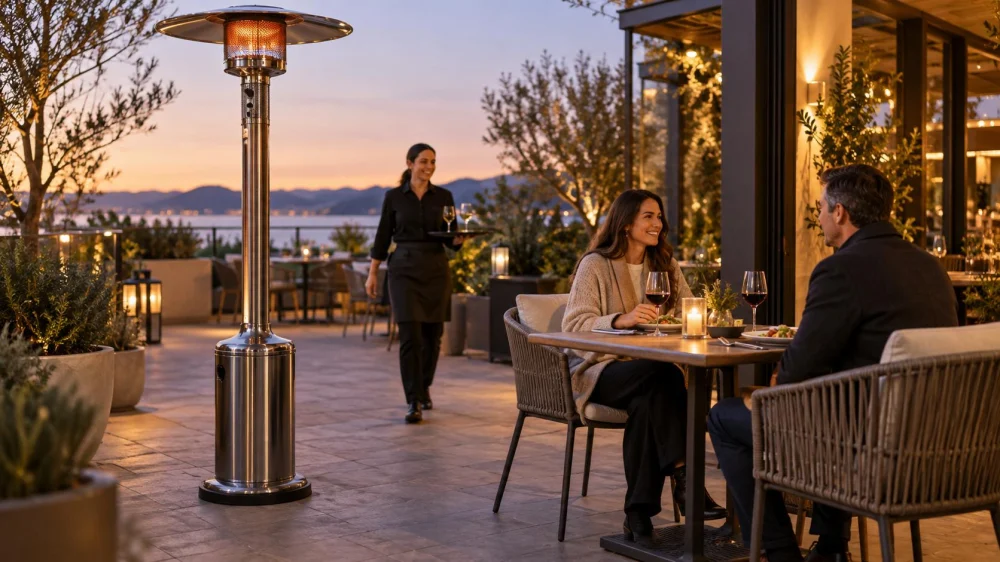
Before taking a heated patio table, check that the heater is upright, protected from traffic, and separated from umbrellas, decorations, clothing, and other combustible items. Ask staff to adjust or relocate you if heat feels intense, fumes are noticeable, or wind changes. Never move, light, refuel, or hang belongings on restaurant heating equipment.
Check the patio setup before sitting
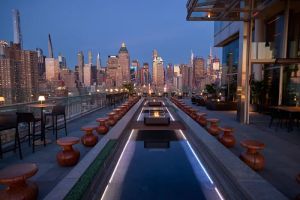
A patio heater is outdoor equipment that warms a limited seating area using fuel or electricity. The restaurant is responsible for selecting, installing, operating, and maintaining it according to manufacturer instructions and local requirements.
- Look for a stable base and a clear walking route around the heater.
- Check that the heat source is not under low fabric, branches, decorations, or a closed canopy.
- Keep bags, coats, napkins, and menus away from hot surfaces.
- Ask whether the table can be moved if the heater blocks an accessible route.
- Tell staff immediately about damage, leaning, unusual noise, odor, or soot.
Do not test controls or touch a heater to judge whether it is on. Surfaces can remain hot after the visible flame or heating element stops.
The Churchill Tavern / churchill tavern
New YorkNew York CountyNew York
45 E 28th St, New York, NY 10016, USA
Choose a comfortable distance
Heat is not distributed evenly. One diner may receive intense radiant heat while another feels cold. Ask staff which seats are intended for the unit and whether the table can be adjusted safely.
A good position allows normal conversation and movement without leaning toward or away from the heater. It should not force a server to carry hot plates through a narrow gap. If the only available seat feels unsafe or uncomfortable, choose another table or indoor seating.
Watch for changes during the meal
- Keep clothing, scarves, hair, paper, and bags controlled.
- Do not drape anything over the heater or its guard.
- Notice wind shifts, a moving umbrella, wobbling, fumes, or a stronger-than-expected hot spot.
- Call staff rather than attempting to adjust the equipment.
- Move away promptly if instructed or if an immediate hazard develops.
Dizziness, headache, nausea, confusion, breathing trouble, or unusual fumes require immediate attention. Move to fresh air and seek appropriate emergency or medical help.
Plan for children, pets, and mobility aids
Seat children where they cannot touch, climb, or run around the heater. Keep strollers out of aisles and away from hot surfaces. Do not tie a leash to the heater, and keep pets from cords, fuel compartments, bases, and hot guards.
Wheelchairs, walkers, canes, and service animals need clear turning and travel space. Ask for another table if equipment placement reduces safe access.
Account for wind and weather
Wind can change flame behavior, move heat toward combustible items, and make umbrellas or temporary enclosures unstable. Rain can affect electrical equipment and floor traction. Restaurant staff should decide whether heaters remain in use.
A partial enclosure can also change ventilation. Do not close panels or move screens yourself. If the area feels stuffy or fumes are present, leave the space and alert staff.
Important safety limits
This is general dining safety guidance, not operating instructions. Heater type, clearance, ventilation, weather limits, fuel handling, and placement must follow the specific manufacturer, fire code, and local authority. Guests should not operate restaurant equipment.
For flame, fire, gas odor, collapse, or suspected carbon monoxide exposure, move away, alert others and staff, and contact emergency services as appropriate.
Frequently asked questions
Can I ask staff to turn the heater down?
Yes. Ask rather than touching controls. Staff may adjust it, move the table, or offer another seat.
Is an electric heater automatically safer?
No. It still involves heat, electricity, placement, clearances, and weather limits. Follow staff directions.
May I dry a wet coat near the heater?
No. Keep clothing and belongings away from the equipment and ask for another solution.
What if I smell gas?
Move away without operating switches or controls, alert staff, and follow emergency instructions.
Sources and evidence notes
The checklist follows common outdoor-heating safety principles: stable placement, required clearances, ventilation, controlled operation, weather awareness, and keeping combustibles and traffic away. Equipment-specific instructions and local fire rules control.
Next steps
When booking, ask whether the patio is heated and how seating is arranged. On arrival, check the route and nearby materials, then ask staff for a comfortable table. During the meal, keep belongings clear and report any odor, instability, or excessive heat immediately.






 Cuban Cafe4.0 (630 reviews)
 Costa's Snack Bar aka The Burger Stand4.0 (82 reviews)
 New York Fried Chicken And Pizza4.0 (273 reviews)
 Garibaldi Restaurant 13.0 (483 reviews)
 Mexican Rodeo Restaurant4.0 (245 reviews)
 Las Torres Mexican Restaurant5.0 (4 reviews)
 Restaurant Table Lighting: Reading, Glare, and Access
 Restaurant Patio Heater: Distance, Comfort, and Safety
 Restaurant Private Room: Capacity, Minimums, and Service
 Restaurant Noise Check: Seating, Conversation, and Access
 Restaurant Menu Specials: Ask What Changes Before Ordering
 Restaurant Meal Timing: Coordinate Courses Without Rushing